Starters
What is Starters?
Starter cultures are mixtures of live microorganisms, typically bacteria, sometimes yeasts or molds. They are used to start or control fermentation in foods like cheese, yogurt, and sourdough bread. These microbes convert sugars into other compounds, creating characteristic flavors, textures, and aromas.
Is Starters a major allergen?
Not a major allergen.
What is Starters used for?
Manufacturers add starter cultures to produce specific flavors and textures in fermented foods.
Is Starters safe?
Starter cultures are generally recognized as safe (GRAS) by the FDA for use in food.
Why it's used
Manufacturers add starter cultures to produce specific flavors and textures in fermented foods. They are essential for cheesemaking, where they contribute to flavor development and curd formation. Starters are also used in making yogurt, sauerkraut, kimchi, and other fermented vegetable products.
Health notes
Starter cultures are generally recognized as safe (GRAS) by the FDA for use in food. The microorganisms in starter cultures are often beneficial, contributing to gut health as probiotics. International bodies like JECFA have evaluated starter cultures, and EFSA has also reviewed their safety. No significant health concerns are associated with their typical use in food.
Allergen info
Not a major allergen. Some starter cultures are derived from dairy, but the final products are typically processed to remove allergens.
Foods that contain Starters
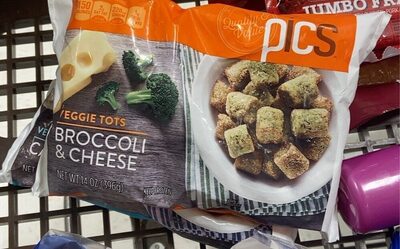
Compare products →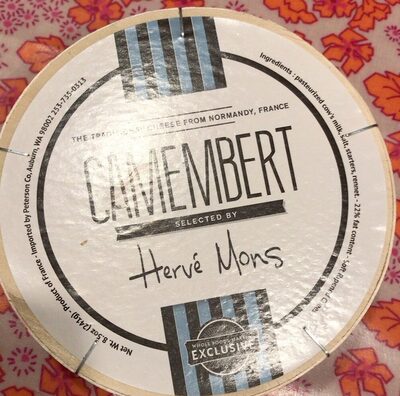
Auto-generated content. This description was generated automatically and is pending editorial review. Inaccuracies are possible. Found a mistake? Contact us.