Streptococcus Diacetylactis
What is Streptococcus Diacetylactis?
Streptococcus diacetylactis is a type of lactic acid bacteria. It is commonly found in dairy products and is often used in food production to create specific flavors and textures. It is grown in controlled environments for use as a food ingredient.
Is Streptococcus Diacetylactis vegan?
Streptococcus Diacetylactis is not animal-derived. Products that contain it can still include other animal-derived ingredients, so check the full ingredient list.
Is Streptococcus Diacetylactis gluten-free?
It does not contain gluten.
Is Streptococcus Diacetylactis a major allergen?
Streptococcus diacetylactis is a microorganism and not derived from any of the 9 FDA major allergens.
What is Streptococcus Diacetylactis used for?
This bacterium is primarily used as a starter culture in the production of fermented dairy products like yogurt and cheese.
Is Streptococcus Diacetylactis safe?
Streptococcus diacetylactis is generally recognized as safe (GRAS) by the FDA for its intended use in food.
Why it's used
This bacterium is primarily used as a starter culture in the production of fermented dairy products like yogurt and cheese. It helps to develop the characteristic tangy flavor and aroma in these foods. It is also used to produce diacetyl, a compound that gives butter its flavor.
Health notes
Streptococcus diacetylactis is generally recognized as safe (GRAS) by the FDA for its intended use in food. It is a common component of probiotic cultures found in fermented foods, and some research suggests potential benefits for gut health, though more studies are needed. International bodies like JECFA have evaluated similar bacterial cultures, but specific evaluations for S. diacetylactis may vary.
Allergen info
Streptococcus diacetylactis is a microorganism and not derived from any of the 9 FDA major allergens. It does not contain gluten.
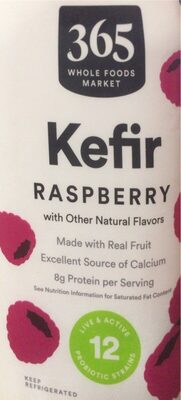
Foods that contain Streptococcus Diacetylactis
Compare products →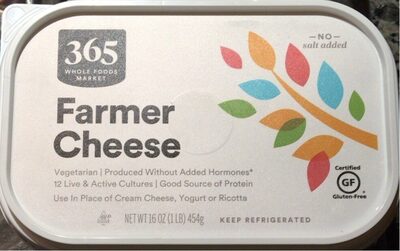
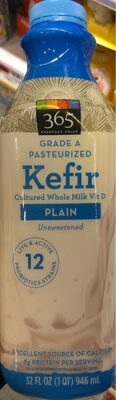
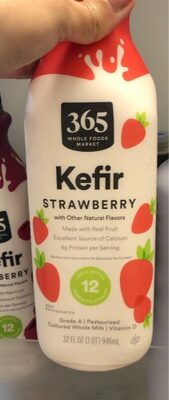
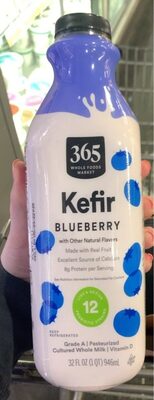
Auto-generated content. This description was generated automatically and is pending editorial review. Inaccuracies are possible. Found a mistake? Contact us.