Lactobacillus Plantarum
What is Lactobacillus Plantarum?
Lactobacillus plantarum is a type of bacteria commonly found in fermented foods like sauerkraut and pickles, as well as in the human gut. It is often grown in labs for use as a probiotic supplement or food ingredient.
Is Lactobacillus Plantarum vegan?
Lactobacillus Plantarum is not animal-derived. Products that contain it can still include other animal-derived ingredients, so check the full ingredient list.
Is Lactobacillus Plantarum a major allergen?
Not a major allergen.
What is Lactobacillus Plantarum used for?
Manufacturers add L. plantarum to foods as a probiotic to potentially benefit gut health.
Is Lactobacillus Plantarum safe?
Lactobacillus plantarum is generally recognized as safe (GRAS) by the FDA for use in food.
Why it's used
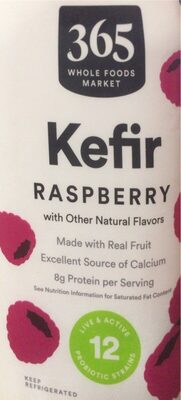
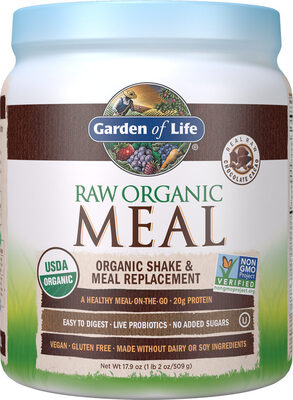
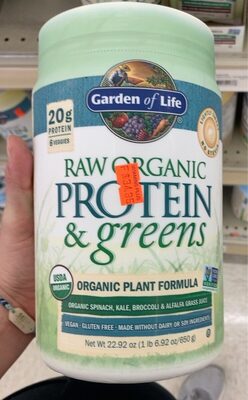
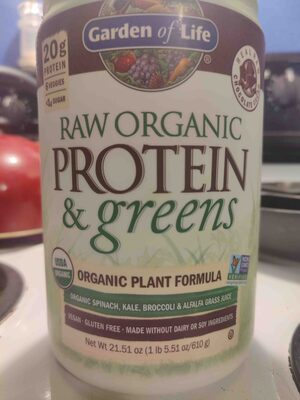
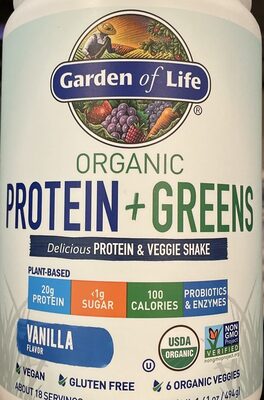
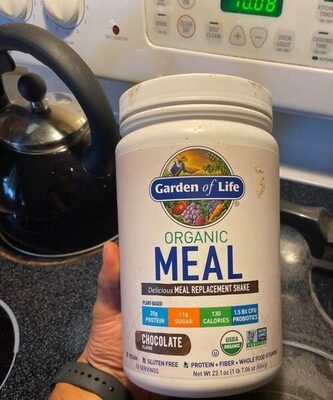
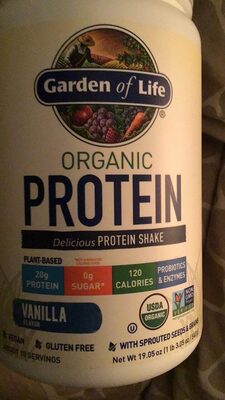
Manufacturers add L. plantarum to foods as a probiotic to potentially benefit gut health. It is frequently found in foods marketed for energy, protein, and muscle recovery, such as drinks, snack bars, and yogurt.
Health notes
Lactobacillus plantarum is generally recognized as safe (GRAS) by the FDA for use in food. It is considered a beneficial microorganism, and research suggests it may play a role in gut health. International bodies like JECFA and EFSA have evaluated probiotics, but specific evaluations for L. plantarum's health effects in food are ongoing and complex, with ongoing research into its precise benefits and mechanisms.
Allergen info
Not a major allergen.
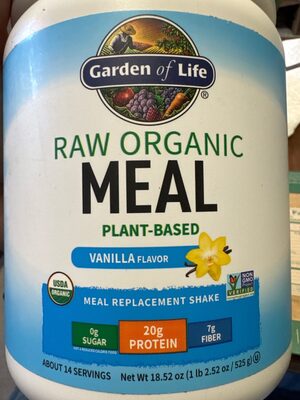
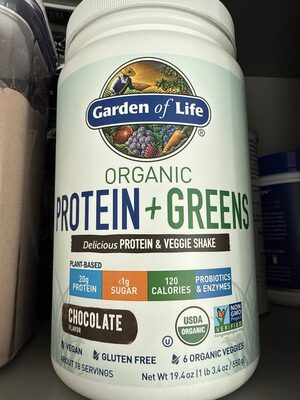
Foods that contain Lactobacillus Plantarum
Compare products →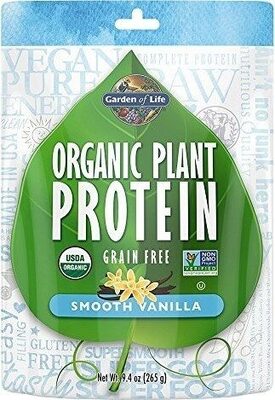
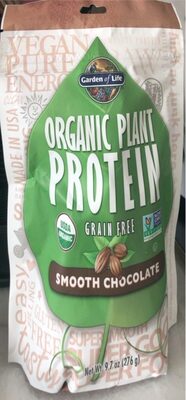
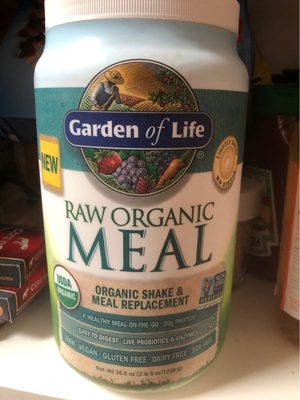

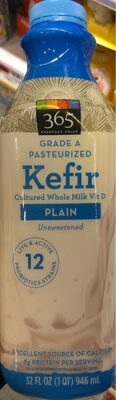




Auto-generated content. This description was generated automatically and is pending editorial review. Inaccuracies are possible. Found a mistake? Contact us.