Sugared Egg Yolk
What is Sugared Egg Yolk?
Sugared egg yolk is made by mixing egg yolks with sugar. The sugar acts as a preservative, preventing the yolks from spoiling and helping to maintain their texture and color.
Is Sugared Egg Yolk vegan?
No. Sugared Egg Yolk is animal-derived, so it is not vegan.
Is Sugared Egg Yolk a major allergen?
Egg is one of the nine major food allergens identified by the FDA.
What is Sugared Egg Yolk used for?
Manufacturers use sugared egg yolk as an emulsifier and stabilizer in foods like ice cream, custards, and baked goods.
Is Sugared Egg Yolk safe?
Sugared egg yolk is generally recognized as safe (GRAS) by the FDA when used as intended.
Why it's used
Manufacturers use sugared egg yolk as an emulsifier and stabilizer in foods like ice cream, custards, and baked goods. The sugar content also contributes to sweetness and a richer mouthfeel in products such as cookies and other frozen desserts.
Health notes
Sugared egg yolk is generally recognized as safe (GRAS) by the FDA when used as intended. It is a source of fat and cholesterol, and typical consumption levels are not associated with adverse health effects for most people. International bodies like JECFA have evaluated egg products, but no specific ADI is set for sugared egg yolk itself. Evidence on dietary cholesterol's impact on heart health is mixed, with recent research suggesting less impact for many individuals than previously thought.
Allergen info
Egg is one of the nine major food allergens identified by the FDA. Therefore, sugared egg yolk is considered a major allergen.
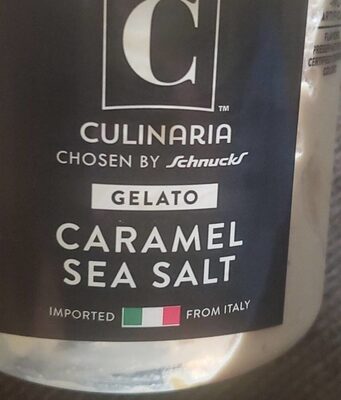
Foods that contain Sugared Egg Yolk
Compare products →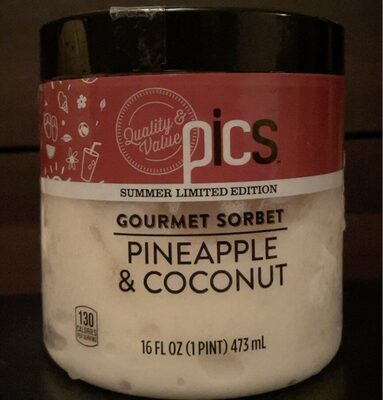
Learn more
Auto-generated content. This description was generated automatically and is pending editorial review. Inaccuracies are possible. Found a mistake? Contact us.