Sunflowerseed Oil
Auto-generated content. This description was generated automatically and is pending editorial review. Inaccuracies are possible. Found a mistake? Contact us.
What it is
Sunflowerseed oil is a vegetable oil extracted from the seeds of the sunflower plant. It is produced by pressing the seeds to release their oil, which is then often refined to remove impurities and improve shelf life. It is a common cooking oil used in homes and the food industry.
Why it's used
Manufacturers use sunflowerseed oil as a cooking oil and a source of fat in processed foods. Its neutral flavor and relatively high smoke point make it suitable for frying, baking, and as an ingredient in salad dressings, sauces, and snacks. It contributes to the texture and mouthfeel of many food products.
Health notes
Sunflowerseed oil is generally recognized as safe (GRAS) by the FDA for use in food. It is a source of polyunsaturated and monounsaturated fats, including linoleic acid (an omega-6 fatty acid). The World Health Organization (WHO) and other international bodies have evaluated fats and oils, but specific numeric limits for sunflowerseed oil are not typically set. Research on the health effects of dietary fats is ongoing, with a focus on cardiovascular health.
Allergen info
Sunflowerseed oil is not derived from one of the nine FDA major allergens. It does not contain gluten.
Products containing Sunflowerseed Oil
Compare products →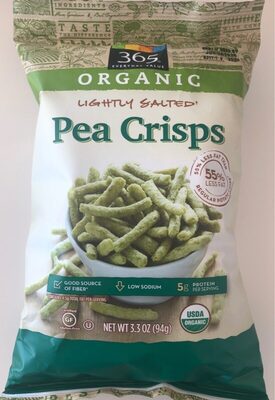 Whole Foods Market, Inc.
Lightly Salted Pea Organic Snack Crisps, Lightly Salted Pea
394kcal
16.0Protein
16.0Fat
48.9Carbs
Whole Foods Market, Inc.
Lightly Salted White Corn Restaurant Style Tortilla Chips, Lightly Salted
500kcal
7.1Protein
21.4Fat
69.0Carbs
Quisling Media
Breaded Tilapia Fillets
High in saturated fat — 35% DV per serving
277kcal
13.4Protein
13.4Fat
24.1Carbs
Whole Foods Market, Inc.
Lightly Salted Pea Organic Snack Crisps, Lightly Salted Pea
394kcal
16.0Protein
16.0Fat
48.9Carbs
Whole Foods Market, Inc.
Lightly Salted White Corn Restaurant Style Tortilla Chips, Lightly Salted
500kcal
7.1Protein
21.4Fat
69.0Carbs
Quisling Media
Breaded Tilapia Fillets
High in saturated fat — 35% DV per serving
277kcal
13.4Protein
13.4Fat
24.1Carbs
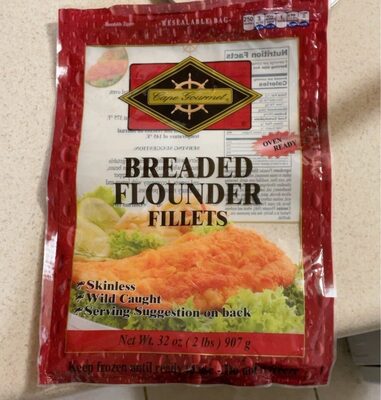 Quisling Media
Breaded Flounder Fillets
223kcal
8.9Protein
9.8Fat
23.2Carbs
Quisling Media
Breaded Flounder Fillets
223kcal
8.9Protein
9.8Fat
23.2Carbs