Sweet Pickle
What is Sweet Pickle?
Sweet pickle is a type of pickle that has been brined with sugar or sweetened liquid. It is typically made from cucumbers, vinegar, water, salt, and sweeteners like sugar or corn syrup. The process results in a pickle with a sweet and tangy flavor profile.
Is Sweet Pickle vegan?
Sweet Pickle is not animal-derived. Products that contain it can still include other animal-derived ingredients, so check the full ingredient list.
Is Sweet Pickle gluten-free?
They do not contain gluten.
Is Sweet Pickle a major allergen?
Sweet pickles are not derived from any of the nine major allergens.
What is Sweet Pickle used for?
Sweet pickles are used to add a sweet and crunchy element to various dishes.
Is Sweet Pickle safe?
Sweet pickles are generally considered safe for consumption.
Why it's used
Sweet pickles are used to add a sweet and crunchy element to various dishes. They are commonly found in relishes, chutneys, and as a condiment for sandwiches and burgers. Manufacturers use them to provide a balance of sweet and sour flavors and a desirable texture.
Health notes
Sweet pickles are generally considered safe for consumption. The FDA lists sugar and corn syrup as Generally Recognized As Safe (GRAS). While excessive sugar intake is linked to health concerns, the amount in sweet pickles is typically moderate. International bodies like JECFA have evaluated sugar and corn syrup, establishing guidelines for their use. There are no major controversies surrounding their use in typical food amounts.
Allergen info
Sweet pickles are not derived from any of the nine major allergens. They do not contain gluten.
Foods that contain Sweet Pickle
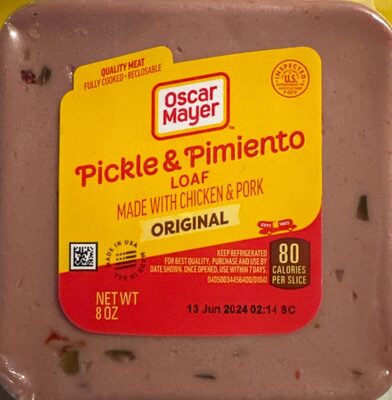
Compare products →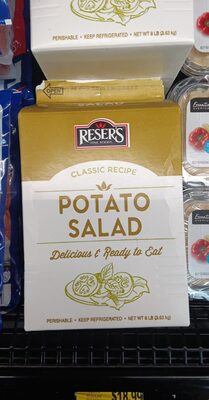
Auto-generated content. This description was generated automatically and is pending editorial review. Inaccuracies are possible. Found a mistake? Contact us.