Swiss Chard
What is Swiss Chard?
Swiss chard is a leafy green vegetable with thick, colorful stalks and large, dark green leaves. It is a variety of the beet family, grown for its edible leaves and stalks. It is typically eaten fresh, steamed, sautéed, or added to soups and stews.
Is Swiss Chard vegan?
Swiss Chard is not animal-derived. Products that contain it can still include other animal-derived ingredients, so check the full ingredient list.
Is Swiss Chard gluten-free?
It does not contain gluten.
Is Swiss Chard a major allergen?
Swiss chard is not one of the 9 FDA major allergens.
What is Swiss Chard used for?
Swiss chard is used as a nutritious vegetable in packaged foods.
Is Swiss Chard safe?
Swiss chard is a nutrient-dense vegetable, providing vitamins A, C, and K, as well as minerals like magnesium and potassium.
Why it's used
Swiss chard is used as a nutritious vegetable in packaged foods. Manufacturers add it for its nutritional value and mild, slightly bitter flavor. It is commonly found in prepared meals, soups, and vegetable blends.
Health notes
Swiss chard is a nutrient-dense vegetable, providing vitamins A, C, and K, as well as minerals like magnesium and potassium. It is not an additive and does not have a regulatory status as such. Like other leafy greens, it is a source of fiber and antioxidants. The World Health Organization (WHO) and the International Agency for Research on Cancer (IARC) have not specifically evaluated Swiss chard.
Allergen info
Swiss chard is not one of the 9 FDA major allergens. It does not contain gluten.
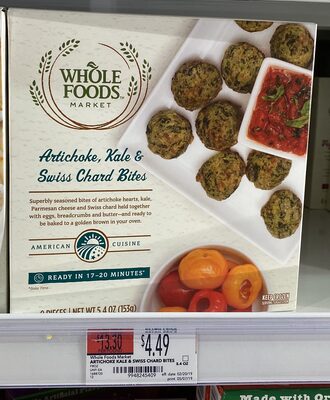
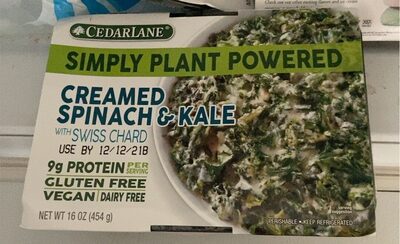
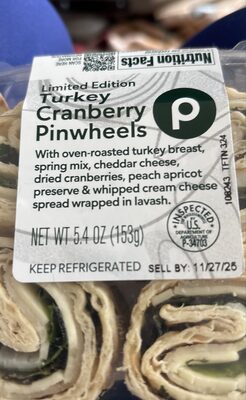
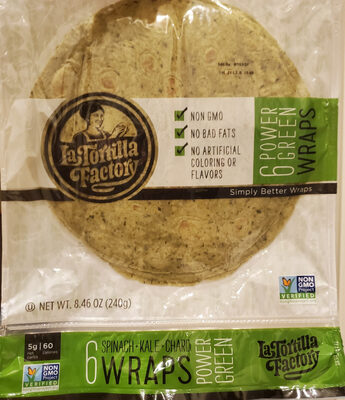
Foods that contain Swiss Chard
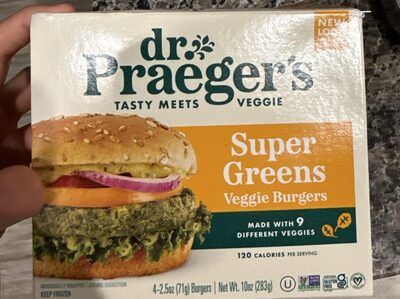
Compare products → Dr. Praeger'S
Super Greens Veggie Nuggets, Super Greens Veggie
212kcal
10.6Protein
10.6Fat
18.8Carbs

Auto-generated content. This description was generated automatically and is pending editorial review. Inaccuracies are possible. Found a mistake? Contact us.