The Following: Cultured Whey
This entry is a label phrase. See the main ingredient page: Cultured Whey.
What is The Following: Cultured Whey?
Cultured whey is a liquid byproduct of cheesemaking that has been fermented by beneficial bacteria. These bacteria break down lactose (milk sugar) into lactic acid, which gives the whey a tangy flavor and helps preserve it. It is often used as a natural ingredient in food products.
Is The Following: Cultured Whey vegan?
No. The Following: Cultured Whey is animal-derived, so it is not vegan.
Is The Following: Cultured Whey gluten-free?
It does not contain gluten.
Is The Following: Cultured Whey a major allergen?
Cultured whey is derived from milk, making it a major allergen.
What is The Following: Cultured Whey used for?
Manufacturers use cultured whey as a natural preservative, flavor enhancer, and source of acidity.
Is The Following: Cultured Whey safe?
In the U.S., cultured whey is generally recognized as safe (GRAS) by the FDA.
Why it's used
Manufacturers use cultured whey as a natural preservative, flavor enhancer, and source of acidity. It adds a savory, tangy taste and can improve the texture of foods. You can find it in baked goods, deli meats, sauces, and prepared meals.
Health notes
In the U.S., cultured whey is generally recognized as safe (GRAS) by the FDA. It is a natural food ingredient with no specific health concerns noted at typical consumption levels. International bodies like JECFA have evaluated whey and its components.
Allergen info
Cultured whey is derived from milk, making it a major allergen. It does not contain gluten.
Foods that contain The Following: Cultured Whey
Compare products →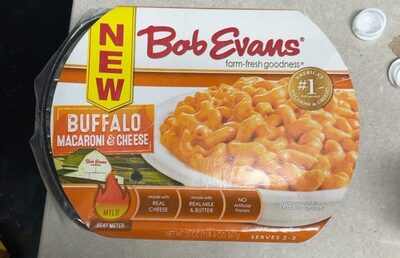 Bob Evans Farms Inc
Buffalo Macaroni & Cheese, Buffalo
High in sodium — 31% DV per serving
High in saturated fat — 25% DV per serving
129kcal
3.6Protein
6.2Fat
15.1Carbs
Bob Evans Farms Inc
Buffalo Macaroni & Cheese, Buffalo
High in sodium — 31% DV per serving
High in saturated fat — 25% DV per serving
129kcal
3.6Protein
6.2Fat
15.1Carbs
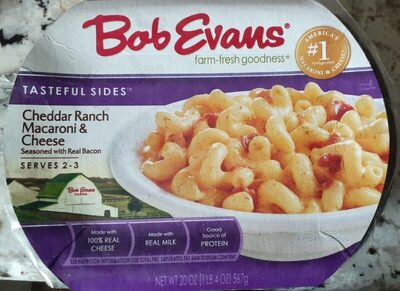 Bob Evans Farms Inc
Cheddar Ranch Macaroni & Cheese Seasoned With Real Bacon, Cheddar Ranch
High in sodium — 43% DV per serving
High in saturated fat — 30% DV per serving
138kcal
5.3Protein
6.2Fat
16Carbs
Schnuck Markets, Inc.
Honey Turkey With Smoky Bacon And Fresh Spinach
High in sodium — 54% DV per serving
High in saturated fat — 23% DV per serving
252kcal
13.9Protein
12.9Fat
21.8Carbs
Schnuck Markets, Inc.
Rotisserie Chicken With Fresh Spinach & Lemon Herb Mayo
High in sodium — 30% DV per serving
High in cholesterol — 23% DV per serving
250kcal
16.5Protein
10.6Fat
21.3Carbs
Schnuck Markets, Inc.
Simple Shrimp Salad
High in sodium — 40% DV per serving
High in saturated fat — 22% DV per serving
High in cholesterol — 45% DV per serving
284kcal
13.6Protein
14.8Fat
23.1Carbs
Bob Evans Farms Inc
Cheddar Ranch Macaroni & Cheese Seasoned With Real Bacon, Cheddar Ranch
High in sodium — 43% DV per serving
High in saturated fat — 30% DV per serving
138kcal
5.3Protein
6.2Fat
16Carbs
Schnuck Markets, Inc.
Honey Turkey With Smoky Bacon And Fresh Spinach
High in sodium — 54% DV per serving
High in saturated fat — 23% DV per serving
252kcal
13.9Protein
12.9Fat
21.8Carbs
Schnuck Markets, Inc.
Rotisserie Chicken With Fresh Spinach & Lemon Herb Mayo
High in sodium — 30% DV per serving
High in cholesterol — 23% DV per serving
250kcal
16.5Protein
10.6Fat
21.3Carbs
Schnuck Markets, Inc.
Simple Shrimp Salad
High in sodium — 40% DV per serving
High in saturated fat — 22% DV per serving
High in cholesterol — 45% DV per serving
284kcal
13.6Protein
14.8Fat
23.1Carbs
Learn more
Auto-generated content. This description was generated automatically and is pending editorial review. Inaccuracies are possible. Found a mistake? Contact us.