Thiamin
What is Thiamin?
Thiamin, also known as vitamin B1, is a water-soluble vitamin essential for carbohydrate metabolism. It is found naturally in whole grains, pork, and legumes. In food production, thiamin can be synthesized or extracted from natural sources.
Is Thiamin gluten-free?
It does not contain gluten.
Is Thiamin a major allergen?
Thiamin is not a major allergen.
What is Thiamin used for?
Thiamin is added to foods as a nutrient to prevent deficiency.
Is Thiamin safe?
Thiamin is recognized as safe and effective by the FDA when used as a nutrient.
Why it's used
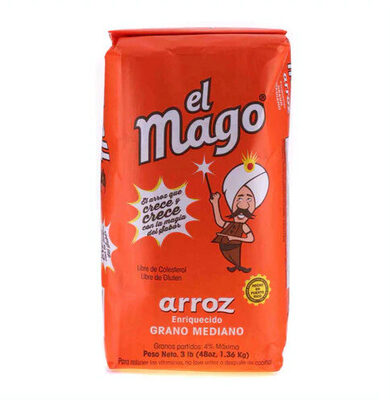
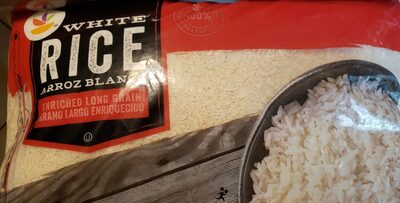
Thiamin is added to foods as a nutrient to prevent deficiency. It is commonly added to refined grains like white bread, pasta, and rice, as well as cereals and infant formulas, to restore thiamin lost during processing. This fortification helps ensure adequate intake in the general population.
Health notes
Thiamin is recognized as safe and effective by the FDA when used as a nutrient. The Joint FAO/WHO Expert Committee on Food Additives (JECFA) has evaluated thiamin and established an acceptable daily intake. At typical dietary levels, thiamin is safe and plays a vital role in energy metabolism. There are no widespread controversies regarding its use as a food additive.
Allergen info
Thiamin is not a major allergen. It does not contain gluten.
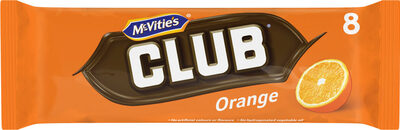
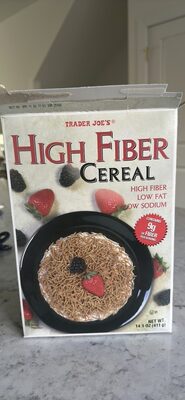
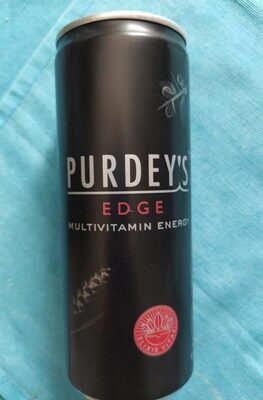
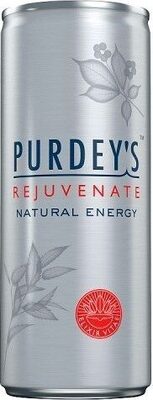
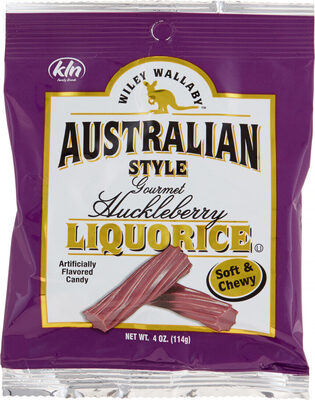
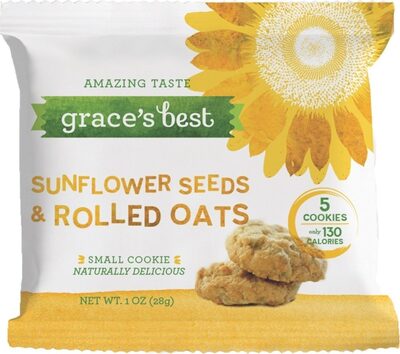
Foods that contain Thiamin
Compare products →
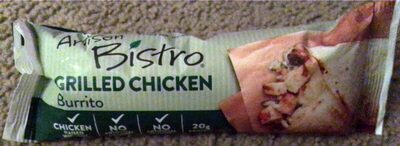
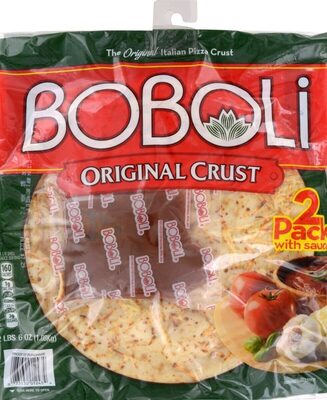
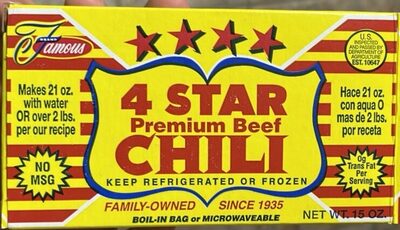
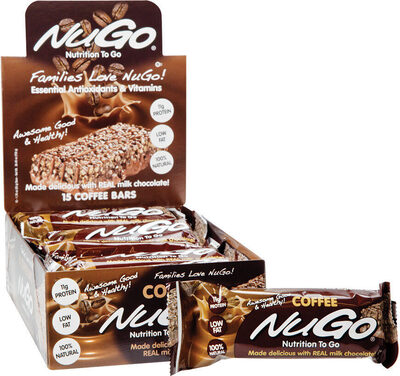

Learn more
Auto-generated content. This description was generated automatically and is pending editorial review. Inaccuracies are possible. Found a mistake? Contact us.