To Maintain Natural Color
What is To Maintain Natural Color?
To Maintain Natural Color is a general labeling term used to describe ingredients that help preserve the natural color of a food product. These can be derived from various natural sources, including fruits, vegetables, or spices, and are added to prevent color fading or browning that can occur during processing or storage.
Is To Maintain Natural Color a major allergen?
Not a major allergen.
What is To Maintain Natural Color used for?
Manufacturers add ingredients labeled 'To Maintain Natural Color' to keep foods looking appealing and fresh.
Is To Maintain Natural Color safe?
The specific ingredients used to maintain natural color vary widely, and their health implications depend on the individual ingredient.
Why it's used
Manufacturers add ingredients labeled 'To Maintain Natural Color' to keep foods looking appealing and fresh. They are often found in products where color is important, such as frozen potatoes, breakfast items, and prepared sides, to prevent discoloration and maintain visual quality.
Health notes
The specific ingredients used to maintain natural color vary widely, and their health implications depend on the individual ingredient. Many are generally recognized as safe (GRAS) by the FDA. International bodies like JECFA and EFSA have evaluated many natural colorants and preservatives. Evidence on the health effects of these ingredients at typical dietary levels is generally reassuring, though specific concerns may exist for certain individual compounds.
Allergen info
Not a major allergen. The specific ingredients used can vary, but the general category does not inherently contain major allergens.
Foods that contain To Maintain Natural Color
Compare products →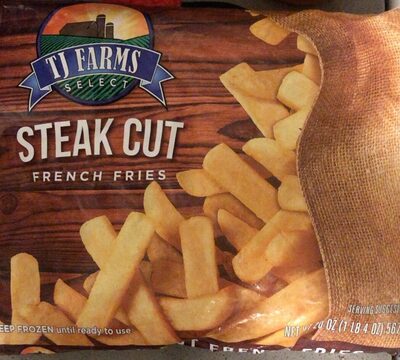
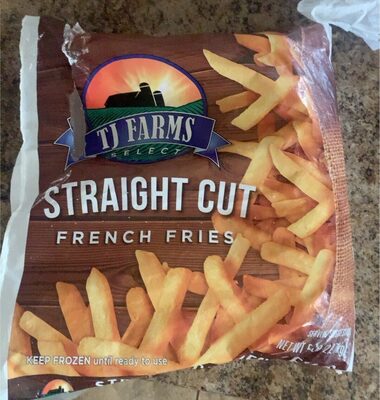
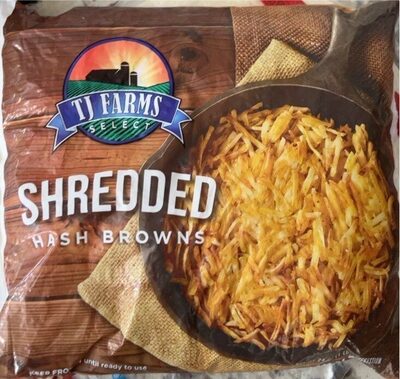


Learn more
Auto-generated content. This description was generated automatically and is pending editorial review. Inaccuracies are possible. Found a mistake? Contact us.