To Retain Moisture
What is To Retain Moisture?
Ingredients that retain moisture, also called humectants, are substances that attract and hold water. They are often naturally occurring compounds like sugars, polyols (sugar alcohols), or glycerol. They can be produced synthetically or derived from plant or animal sources.
Is To Retain Moisture a major allergen?
Not a major allergen.
What is To Retain Moisture used for?
Manufacturers add humectants to foods to keep them from drying out, maintain texture, and extend shelf life.
Is To Retain Moisture safe?
Many common humectants, such as glycerol and sorbitol, are generally recognized as safe (GRAS) by the FDA for use in food.
Why it's used
Manufacturers add humectants to foods to keep them from drying out, maintain texture, and extend shelf life. They are commonly found in baked goods, confectionery, processed meats, and sauces. Humectants help products like cakes and cookies stay soft and prevent ice crystals from forming in frozen foods.
Health notes
Many common humectants, such as glycerol and sorbitol, are generally recognized as safe (GRAS) by the FDA for use in food. Some polyols, like sorbitol and xylitol, can have a laxative effect if consumed in large amounts. International bodies like JECFA have evaluated many humectants and established acceptable daily intakes. Evidence regarding their health effects at typical dietary levels is generally reassuring.
Allergen info
Not a major allergen. Humectants themselves are not typically among the major allergens, though some may be derived from sources like wheat or corn, which can be a concern for individuals with specific sensitivities.
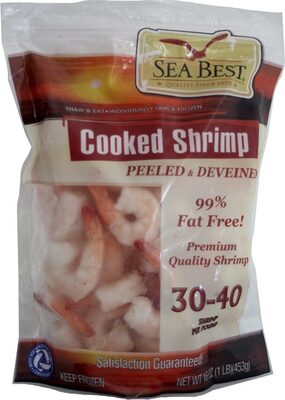
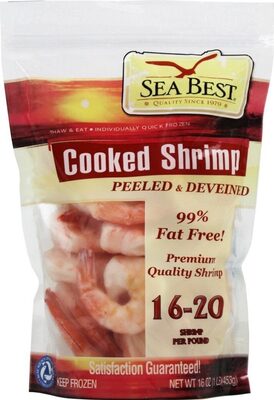
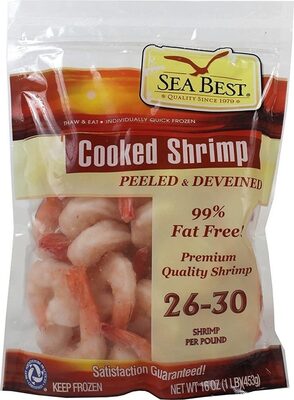
Foods that contain To Retain Moisture
Compare products →
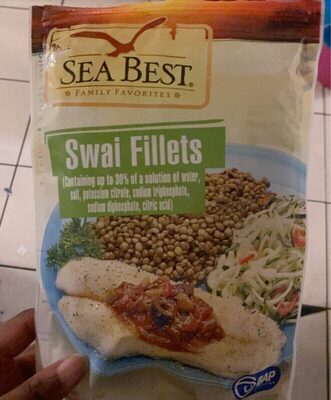
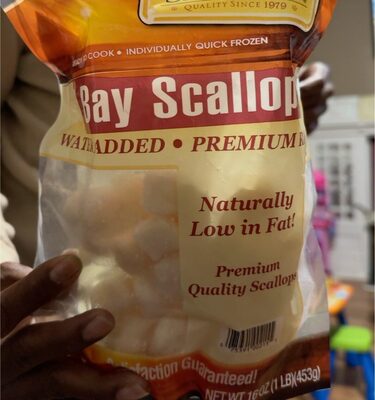
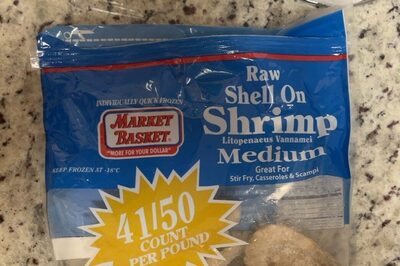
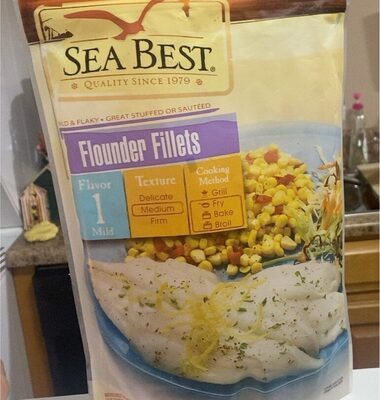
Auto-generated content. This description was generated automatically and is pending editorial review. Inaccuracies are possible. Found a mistake? Contact us.