Topping
What is Topping?
Topping is a general term for a layer of food applied to the surface of another food. It can be made from a variety of ingredients, including sugar, flour, butter, cream, fruit, nuts, and chocolate. Toppings are often sweet and are used to add flavor, texture, and visual appeal to baked goods and desserts.
Is Topping gluten-free?
Gluten may also be present if wheat-based ingredients are used.
Is Topping a major allergen?
Toppings can be derived from major allergens like milk, eggs, tree nuts, peanuts, wheat, and soy, depending on their ingredients.
What is Topping used for?
Manufacturers use toppings to enhance the taste and appearance of products like cakes, cupcakes, cookies, and pizzas.
Is Topping safe?
Toppings are not a regulated ingredient category but are made from various approved food ingredients.
Why it's used
Manufacturers use toppings to enhance the taste and appearance of products like cakes, cupcakes, cookies, and pizzas. They can provide sweetness, richness, and a contrasting texture. Common examples include frosting, glazes, sprinkles, and fruit compotes.
Health notes
Toppings are not a regulated ingredient category but are made from various approved food ingredients. Their health impact depends on the specific ingredients used and the amount consumed. Many toppings are high in sugar and fat, and excessive consumption may contribute to weight gain and related health issues. Regulatory bodies like the FDA oversee the safety of individual ingredients used in toppings.
Allergen info
Toppings can be derived from major allergens like milk, eggs, tree nuts, peanuts, wheat, and soy, depending on their ingredients. Gluten may also be present if wheat-based ingredients are used. Consumers should check the ingredient list for specific allergen information.
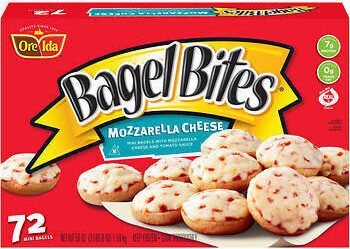
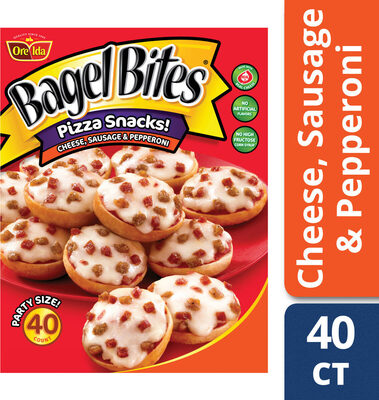
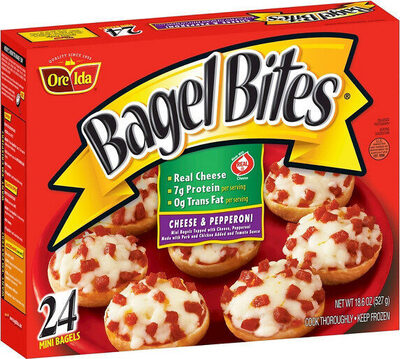
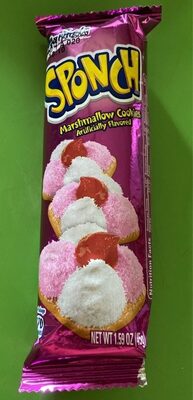
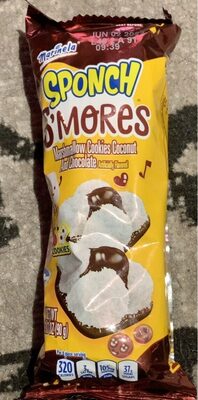
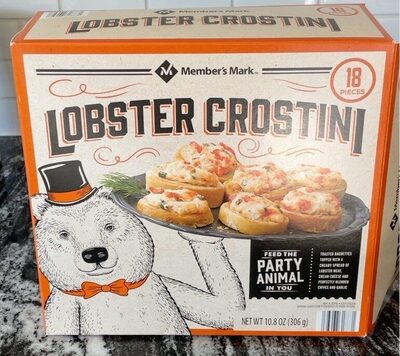
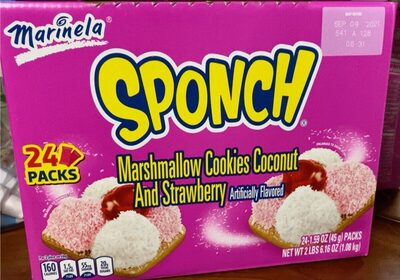
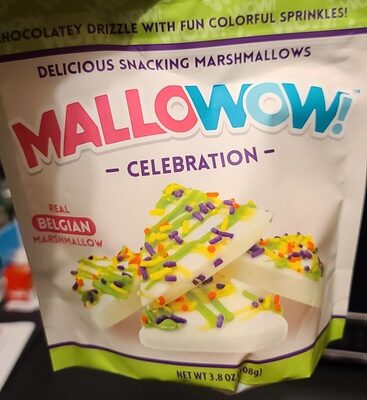
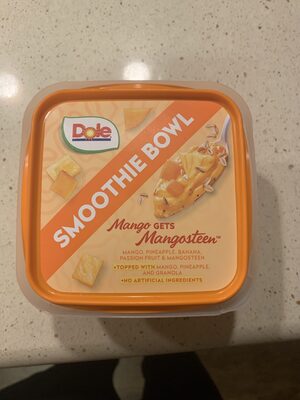
Foods that contain Topping
Compare products →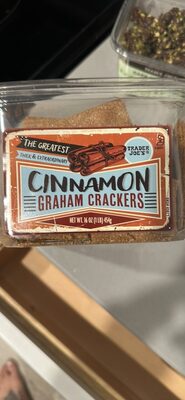

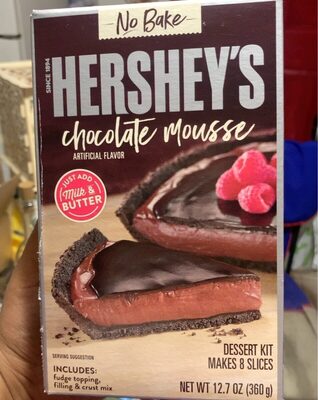
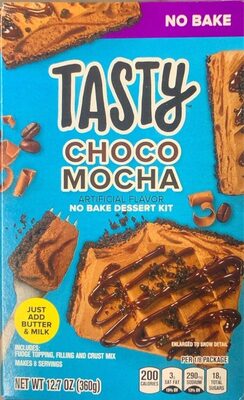

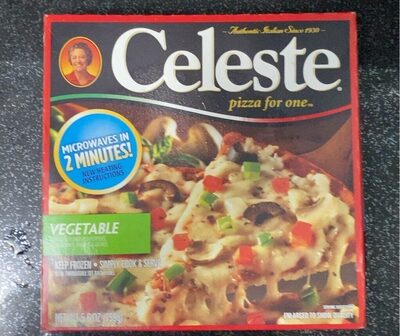
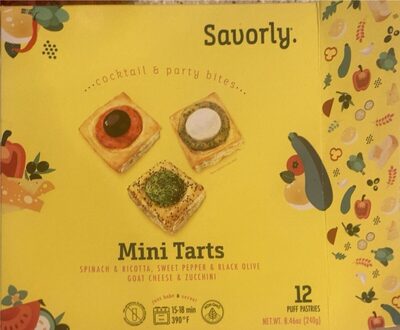
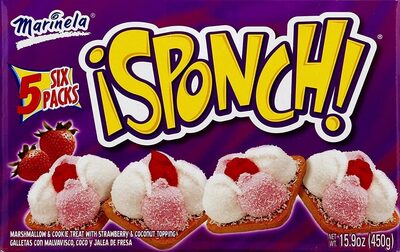
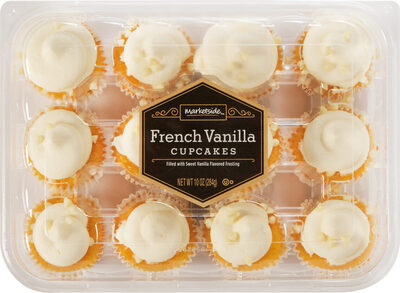
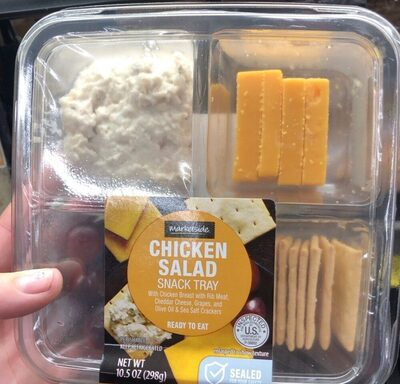
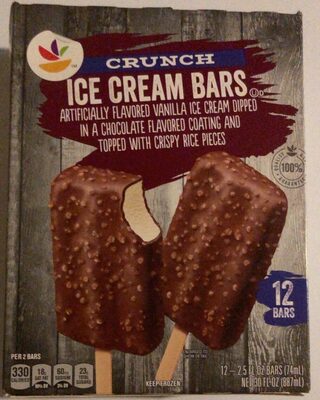
Auto-generated content. This description was generated automatically and is pending editorial review. Inaccuracies are possible. Found a mistake? Contact us.