Transglutaminase
What is Transglutaminase?
Transglutaminase, often called "meat glue," is an enzyme that helps proteins bind together. It is typically produced through fermentation using microorganisms like bacteria, which are then purified to isolate the enzyme.
Is Transglutaminase vegan?
Transglutaminase is not animal-derived. Products that contain it can still include other animal-derived ingredients, so check the full ingredient list.
Is Transglutaminase gluten-free?
It does not contain gluten.
Is Transglutaminase a major allergen?
Transglutaminase itself is not derived from any of the nine major allergens.
What is Transglutaminase used for?
Manufacturers use transglutaminase to improve the texture and binding properties of protein-rich foods.
Is Transglutaminase safe?
Transglutaminase is generally recognized as safe (GRAS) by the U.S. Food and Drug Administration (FDA) for use in food.
Why it's used
Manufacturers use transglutaminase to improve the texture and binding properties of protein-rich foods. It can help form cohesive pieces from smaller fragments, making products like processed meats, fish, and dairy items appear more uniform and appealing.
Health notes
Transglutaminase is generally recognized as safe (GRAS) by the U.S. Food and Drug Administration (FDA) for use in food. Regulatory bodies like the European Food Safety Authority (EFSA) have also evaluated its use. At typical consumption levels, it is not associated with adverse health effects.
Allergen info
Transglutaminase itself is not derived from any of the nine major allergens. It does not contain gluten.
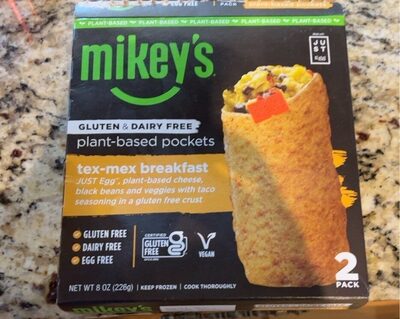
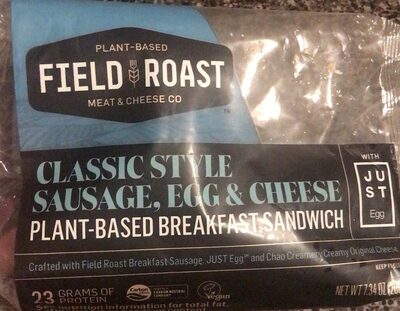
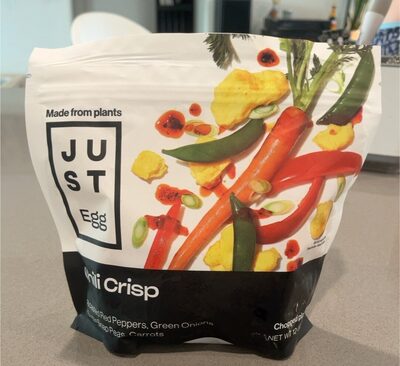
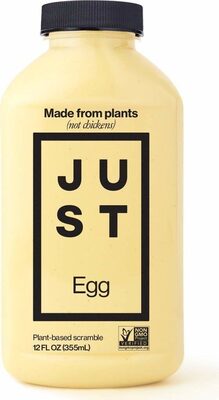
Foods that contain Transglutaminase
Compare products →











Auto-generated content. This description was generated automatically and is pending editorial review. Inaccuracies are possible. Found a mistake? Contact us.