Tuna Salad Tuna
What is Tuna Salad Tuna?
Tuna salad is a mixture of cooked, flaked tuna, typically canned, and mayonnaise or a similar binder. It often includes other ingredients like celery, onion, relish, or seasonings. It is commonly prepared as a filling for sandwiches or as a standalone dish.
Is Tuna Salad Tuna vegan?
No. Tuna Salad Tuna is animal-derived, so it is not vegan.
Is Tuna Salad Tuna a major allergen?
Tuna is a fish, which is one of the 9 FDA major allergens.
What is Tuna Salad Tuna used for?
Tuna salad is primarily used as a filling for sandwiches, wraps, and croissants, offering a protein-rich and flavorful component.
Is Tuna Salad Tuna safe?
Tuna is a source of protein and omega-3 fatty acids.
Why it's used
Tuna salad is primarily used as a filling for sandwiches, wraps, and croissants, offering a protein-rich and flavorful component. Manufacturers use it to create convenient, ready-to-eat meals and deli items.
Health notes
Tuna is a source of protein and omega-3 fatty acids. However, some types of tuna can contain mercury, and the FDA advises certain groups, such as pregnant women and young children, to limit their intake of fish high in mercury. The FDA has established guidelines for safe consumption of fish, including tuna. JECFA has evaluated tuna and has not set a numeric limit (ADI not specified).
Allergen info
Tuna is a fish, which is one of the 9 FDA major allergens. People with a fish allergy should avoid tuna salad.
Foods that contain Tuna Salad Tuna
Compare products →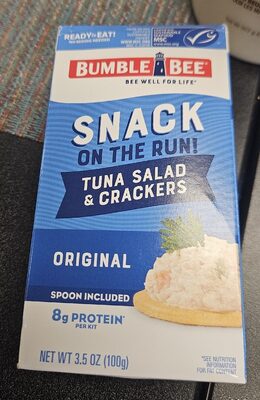
Learn more
Auto-generated content. This description was generated automatically and is pending editorial review. Inaccuracies are possible. Found a mistake? Contact us.