Veal
What is Veal?
Veal is the meat from young cattle, typically calves that are a few weeks to several months old. It is produced by raising calves on a diet primarily consisting of milk, which contributes to its pale color and tender texture.
Is Veal vegan?
No. Veal is animal-derived, so it is not vegan.
Is Veal gluten-free?
It does not contain gluten.
Is Veal a major allergen?
Veal is not one of the 9 major FDA allergens.
What is Veal used for?
Veal is used as a primary protein ingredient in a variety of prepared and unprocessed food products.
Is Veal safe?
Veal is a whole food, not a food additive, and is regulated by the FDA as a meat product to ensure safety and proper labeling.
Why it's used
Veal is used as a primary protein ingredient in a variety of prepared and unprocessed food products. It is valued for its mild flavor and tenderness, making it a popular choice for dishes like sausages, hotdogs, burgers, and other meat preparations.
Health notes
Veal is a whole food, not a food additive, and is regulated by the FDA as a meat product to ensure safety and proper labeling. It is a source of protein, iron, and B vitamins. As with all red meats, the Dietary Guidelines for Americans (2025-2030) recommend choosing lean protein sources as part of a healthy eating pattern. JECFA and EFSA evaluate food additives, not whole foods like veal.
Allergen info
Veal is not one of the 9 major FDA allergens. It does not contain gluten.
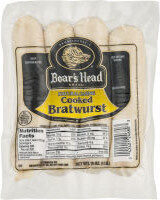
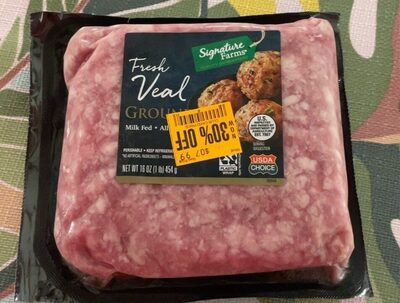
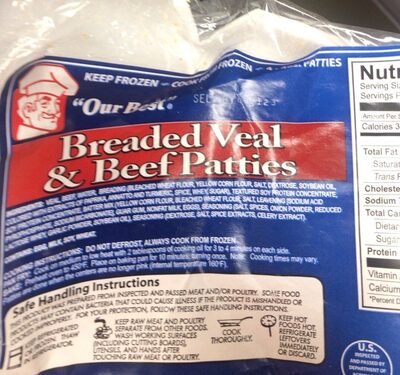
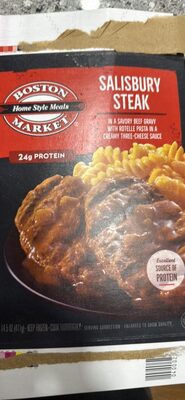
Foods that contain Veal
Compare products →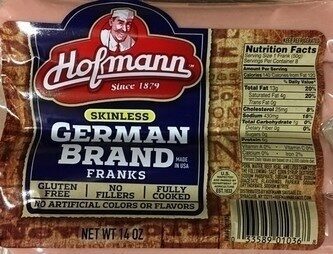

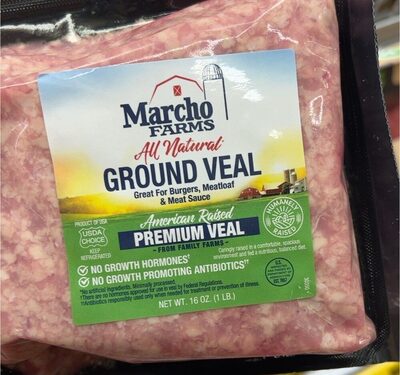
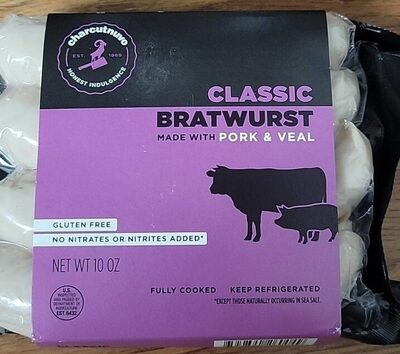
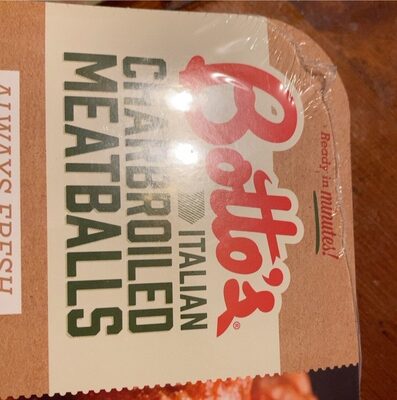
Learn more
Auto-generated content. This description was generated automatically and is pending editorial review. Inaccuracies are possible. Found a mistake? Contact us.