Vegan Mayonnaise
Auto-generated content. This description was generated automatically and is pending editorial review. Inaccuracies are possible. Found a mistake? Contact us.
What it is
Vegan mayonnaise is a plant-based alternative to traditional mayonnaise. It is made by emulsifying oil with an acidic liquid, such as vinegar or lemon juice, and often includes ingredients like soy milk, aquafaba (the liquid from cooked chickpeas), or other plant-based proteins to achieve a similar texture and stability. It is typically flavored with mustard, salt, and other seasonings.
Why it's used
Manufacturers use vegan mayonnaise as an emulsifier and to add richness and creamy texture to foods. It is commonly found in deli salads, sandwiches, dips, and as a spread in various packaged meals, mimicking the role of traditional mayonnaise.
Health notes
Vegan mayonnaise ingredients are generally recognized as safe (GRAS) by the FDA when used as intended. The primary ingredients like vegetable oils and plant-based emulsifiers are common food components. International bodies like JECFA have evaluated many of the individual ingredients used in vegan mayonnaise. Evidence does not suggest adverse health effects from the typical consumption of these ingredients.
Allergen info
Depending on the specific ingredients used, vegan mayonnaise may contain soy, which is one of the 9 FDA major allergens. If made with wheat-based ingredients, it may also contain gluten. Otherwise, it is not a major allergen.
Products containing Vegan Mayonnaise
Compare products →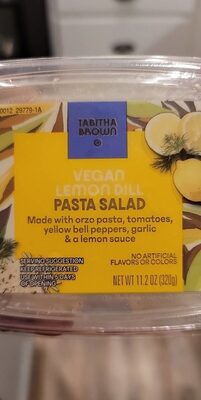 Target Stores
Vegan Lemon Dill Pasta Salad, Vegan Lemon Dill
—kcal
3.6Protein
12.9Fat
22.1Carbs
Target Stores
Vegan Lemon Dill Pasta Salad, Vegan Lemon Dill
—kcal
3.6Protein
12.9Fat
22.1Carbs
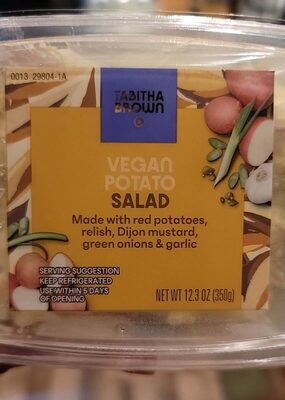 Target Stores
Vegan Potato Salad, Vegan Potato
High in sodium — 21% DV per serving
157kcal
1.4Protein
9.3Fat
17.1Carbs
Target Stores
Vegan Potato Salad, Vegan Potato
High in sodium — 21% DV per serving
157kcal
1.4Protein
9.3Fat
17.1Carbs