Vegetable Margarine
What is Vegetable Margarine?
Vegetable margarine is a spreadable fat product made primarily from vegetable oils and water. It is processed to create an emulsion that resembles butter in texture and appearance.
Is Vegetable Margarine vegan?
Vegetable Margarine is not animal-derived. Products that contain it can still include other animal-derived ingredients, so check the full ingredient list.
Is Vegetable Margarine a major allergen?
Vegetable margarine itself is not a major allergen.
What is Vegetable Margarine used for?
Manufacturers use vegetable margarine as a fat source in baked goods, pastries, and other processed foods.
Is Vegetable Margarine safe?
Historically, some margarines contained artificial trans fats from partially hydrogenated oils (PHOs).
Why it's used
Manufacturers use vegetable margarine as a fat source in baked goods, pastries, and other processed foods. It provides texture, flavor, and helps with browning, often serving as a substitute for butter.
Health notes
Historically, some margarines contained artificial trans fats from partially hydrogenated oils (PHOs). However, PHOs are no longer considered Generally Recognized As Safe (GRAS) by the FDA since 2018, which has significantly reduced artificial trans fat in the US food supply. Vegetable margarine is primarily composed of fats, including saturated and unsaturated fats, from its vegetable oil ingredients. The Dietary Guidelines for Americans (2025-2030) recommend keeping saturated fat intake under 10% of daily calories.
Allergen info
Vegetable margarine itself is not a major allergen. However, some formulations may contain ingredients derived from major allergens, such as soy (e.g., soy lecithin). Consumers with allergies should check the specific product's ingredient list.
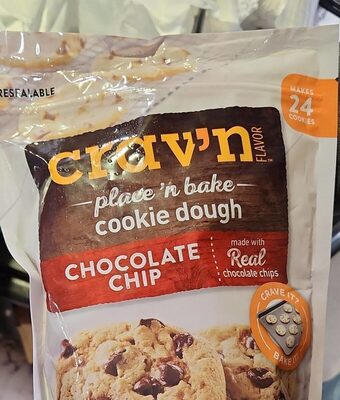
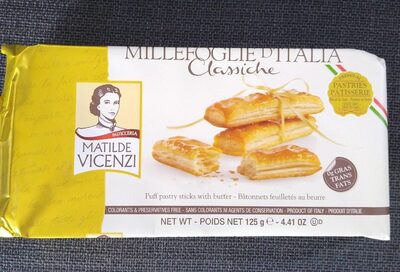
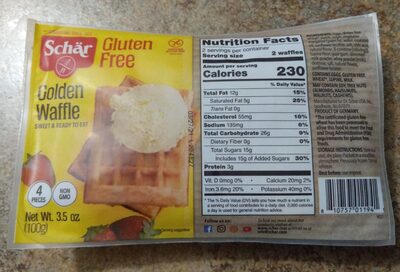
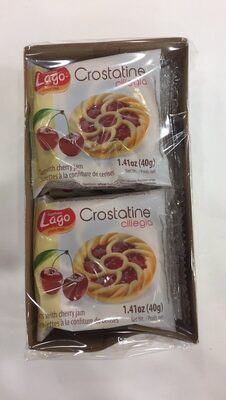
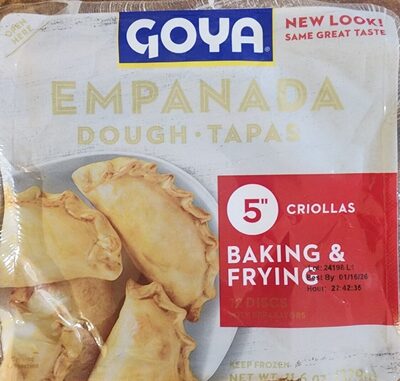
Foods that contain Vegetable Margarine
Compare products →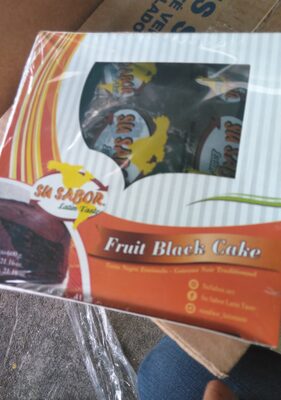








Learn more
Auto-generated content. This description was generated automatically and is pending editorial review. Inaccuracies are possible. Found a mistake? Contact us.