Vitamin A & D
Auto-generated content. This description was generated automatically and is pending editorial review. Inaccuracies are possible. Found a mistake? Contact us.
What it is
Vitamin A and Vitamin D are essential fat-soluble vitamins. Vitamin A is important for vision, immune function, and skin health. Vitamin D helps the body absorb calcium and is crucial for bone health.
Why it's used
These vitamins are often added to foods to fortify them, meaning to increase their nutrient content. They are commonly found in dairy products like milk and yogurt, as well as some cereals and plant-based milk alternatives.
Health notes
In the US, Vitamin A and D are regulated as nutrients. The National Academies have established Upper Intake Levels (ULs) for these vitamins, which are the maximum daily amounts that are unlikely to cause harmful health effects. Both vitamins have been evaluated by international bodies like JECFA and EFSA. Consuming adequate amounts is important for overall health, but excessive intake can lead to adverse effects.
Allergen info
Not a major allergen. However, if fortified into dairy products, it is associated with milk.
Products containing Vitamin A & D
Compare products →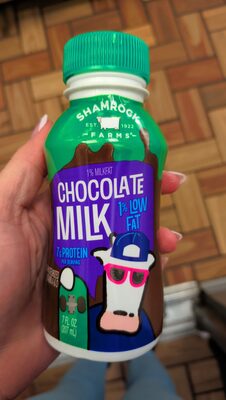 Shamrock Foods Company
Lowfat Milk, Chocolate
72kcal
3.4Protein
1.2Fat
12.6Carbs
Mooresville Ice Cream LLC
Peach Guanabana Daybreak Fruit And Yogurt Smoothie, Peach Guanabana
63kcal
3.3Protein
1Fat
11.7Carbs
Shamrock Foods Company
Lowfat Milk, Chocolate
72kcal
3.4Protein
1.2Fat
12.6Carbs
Mooresville Ice Cream LLC
Peach Guanabana Daybreak Fruit And Yogurt Smoothie, Peach Guanabana
63kcal
3.3Protein
1Fat
11.7Carbs
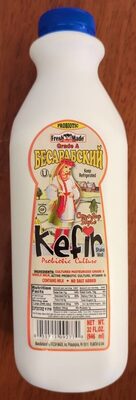 Fresh Made Inc.
Country Style Kefir
High in saturated fat — 25% DV per serving
62kcal
3.3Protein
3.3Fat
5Carbs
Fresh Made Inc.
Probiotic Reduced Fat Plain Kefir
46kcal
3.3Protein
2.1Fat
3.3Carbs
Fresh Made Inc.
Country Style Kefir
High in saturated fat — 25% DV per serving
62kcal
3.3Protein
3.3Fat
5Carbs
Fresh Made Inc.
Probiotic Reduced Fat Plain Kefir
46kcal
3.3Protein
2.1Fat
3.3Carbs