Vitamin A Palmitate And D3 Added
Auto-generated content. This description was generated automatically and is pending editorial review. Inaccuracies are possible. Found a mistake? Contact us.
What it is
Vitamin A palmitate and Vitamin D3 are fat-soluble vitamins. Vitamin A palmitate is made by combining vitamin A with palmitic acid, which can be derived from animal or plant sources. Vitamin D3 (cholecalciferol) is typically produced from lanolin, a wool grease derivative, or from plant sterols.
Why it's used
These vitamins are added to foods, especially dairy products like milk, to fortify them and help consumers meet their daily requirements. They are crucial for bone health, immune function, and vision. Fortification is a common practice to ensure adequate intake of these essential nutrients.
Health notes
The U.S. Food and Drug Administration (FDA) considers added vitamins and minerals as nutrients. Both vitamins A and D are essential for human health. The Joint FAO/WHO Expert Committee on Food Additives (JECFA) and the European Food Safety Authority (EFSA) have evaluated these vitamins. Excessive intake of vitamin A can lead to toxicity, while vitamin D deficiency is also a public health concern. Typically, the amounts added to fortified foods are well within safe limits.
Allergen info
Vitamin A palmitate is not a major allergen. Vitamin D3, when derived from lanolin (wool), is not considered a major allergen. Therefore, this combination is not a major allergen.
Products containing Vitamin A Palmitate And D3 Added
Compare products →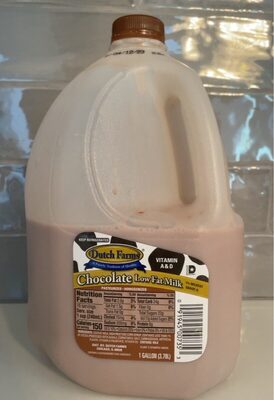 Dutch Farms Inc.
Fat Free Milk, Chocolate
55kcal
3.4Protein
0Fat
9.3Carbs
Harris-Teeter Inc.
2% Reduced Fat Milk
50kcal
3.3Protein
2.1Fat
5Carbs
Rafael Padilla & Cia S. En C.
Organic Dha Omega 3 Reduced Fat Milk
54kcal
3.3Protein
2.1Fat
5Carbs
Wakefern Food Corporation
Organic, Dha Omega-3 2% Reduced Fat Milk
54kcal
3.3Protein
2.1Fat
5Carbs
Dutch Farms Inc.
Fat Free Milk, Chocolate
55kcal
3.4Protein
0Fat
9.3Carbs
Harris-Teeter Inc.
2% Reduced Fat Milk
50kcal
3.3Protein
2.1Fat
5Carbs
Rafael Padilla & Cia S. En C.
Organic Dha Omega 3 Reduced Fat Milk
54kcal
3.3Protein
2.1Fat
5Carbs
Wakefern Food Corporation
Organic, Dha Omega-3 2% Reduced Fat Milk
54kcal
3.3Protein
2.1Fat
5Carbs