Tilapia
What is Tilapia?
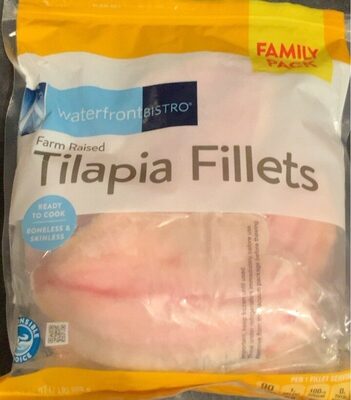
Tilapia is a mild-flavored white fish that is farmed in freshwater environments around the world. It is a popular source of protein, often raised in controlled aquaculture systems. The fish is typically processed into fillets for sale.
Is Tilapia vegan?
No. Tilapia is animal-derived, so it is not vegan.
Is Tilapia a major allergen?
Tilapia is a fish, which is one of the 9 FDA major allergens.
What is Tilapia used for?
Tilapia is primarily used as a source of lean protein in a variety of dishes.
Is Tilapia safe?
Tilapia is a good source of protein and contains omega-3 fatty acids, though typically in lower amounts than fatty fish like salmon.
Why it's used
Tilapia is primarily used as a source of lean protein in a variety of dishes. It is commonly found in frozen fish sections, prepared meals, and sometimes as an ingredient in snack bars. Its mild taste makes it versatile for different culinary preparations.
Health notes
Tilapia is a good source of protein and contains omega-3 fatty acids, though typically in lower amounts than fatty fish like salmon. The FDA regulates fish as a food product. Concerns have been raised about the environmental impact and farming practices of tilapia in some regions, as well as its omega-3 to omega-6 fatty acid ratio compared to other fish. However, at typical consumption levels, it is considered a safe and nutritious food.
Allergen info
Tilapia is a fish, which is one of the 9 FDA major allergens. Consumers with a fish allergy should avoid tilapia.
Foods that contain Tilapia
Compare products →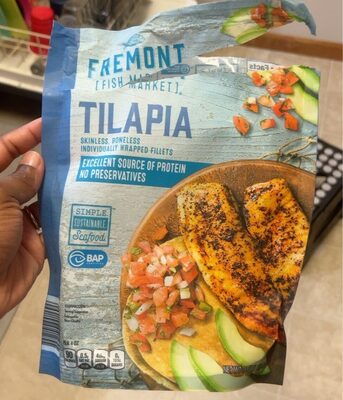


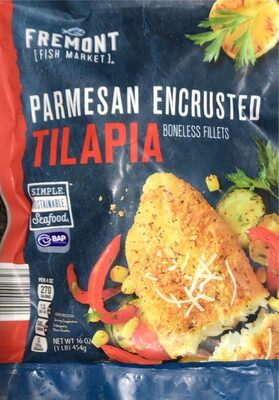





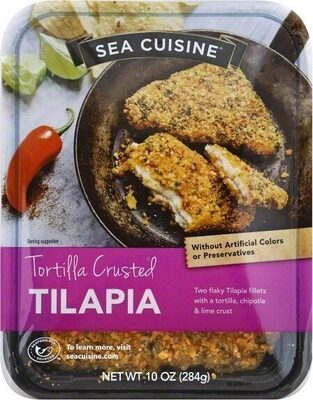


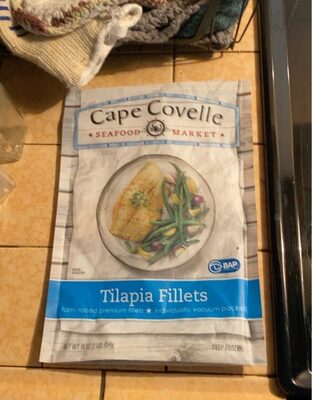

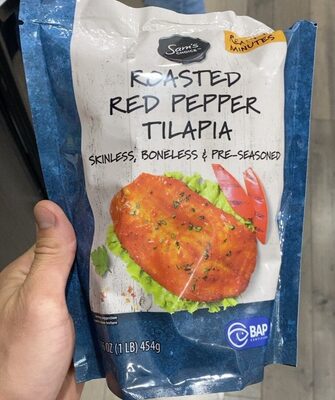

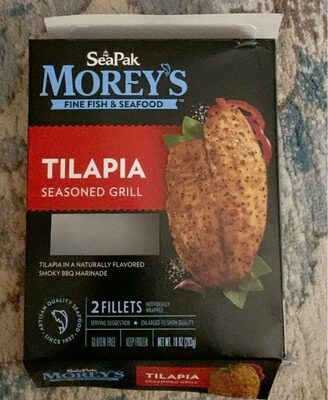
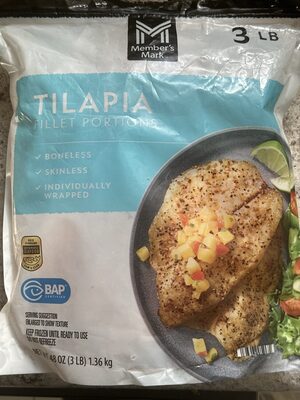
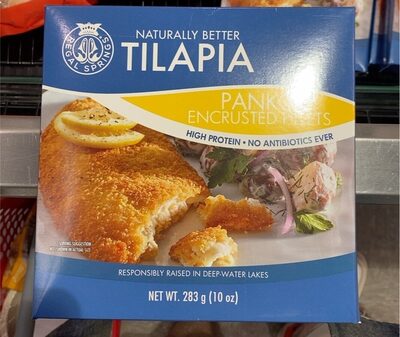
Learn more
Auto-generated content. This description was generated automatically and is pending editorial review. Inaccuracies are possible. Found a mistake? Contact us.