Vitamin D 3
What is Vitamin D 3?
Vitamin D3, also known as cholecalciferol, is a fat-soluble vitamin that the body can produce when skin is exposed to sunlight. It can also be obtained from certain foods. In fortified foods, it is typically produced industrially through a process involving lanolin (from sheep's wool) or other sources.
Is Vitamin D 3 vegan?
No. Vitamin D 3 is animal-derived, so it is not vegan.
Is Vitamin D 3 a major allergen?
Vitamin D3 itself is not one of the nine major allergens.
What is Vitamin D 3 used for?
Vitamin D3 is added to foods to increase their nutritional value, as it plays a crucial role in calcium absorption and bone health.
Is Vitamin D 3 safe?
Vitamin D is essential for bone health and immune function.
Why it's used
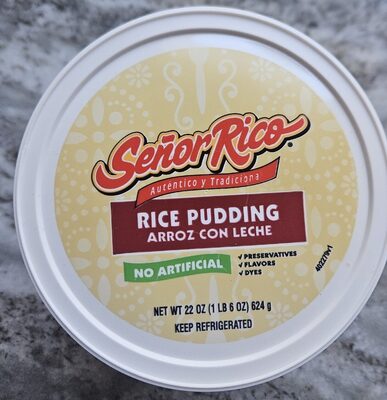
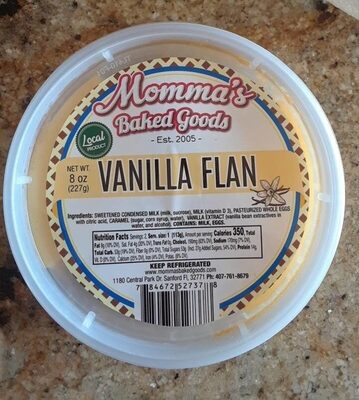
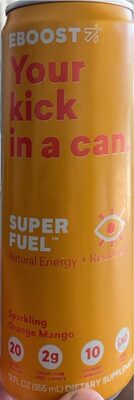
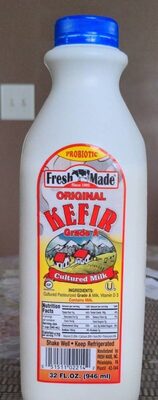
Vitamin D3 is added to foods to increase their nutritional value, as it plays a crucial role in calcium absorption and bone health. It is commonly found in fortified dairy products like milk and yogurt, as well as in some cereals, orange juice, and plant-based milk alternatives.
Health notes
Vitamin D is essential for bone health and immune function. The U.S. National Academies of Sciences, Engineering, and Medicine have established Upper Intake Levels (ULs) for vitamin D. JECFA and EFSA have also evaluated vitamin D. While generally recognized as safe when consumed within recommended levels, excessive intake can lead to adverse health effects. Evidence suggests adequate vitamin D intake is important for overall health.
Allergen info
Vitamin D3 itself is not one of the nine major allergens. However, if derived from lanolin, it originates from an animal product (sheep's wool), which is not a major allergen.
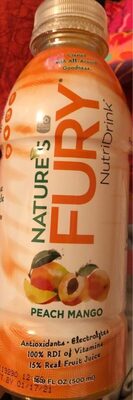
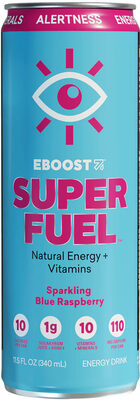
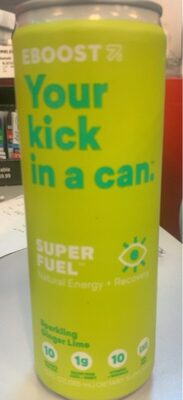
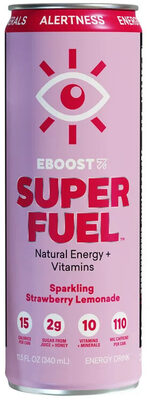
Foods that contain Vitamin D 3
Compare products →


Learn more
Auto-generated content. This description was generated automatically and is pending editorial review. Inaccuracies are possible. Found a mistake? Contact us.