Vitamin E And Vitamin C Palmitate
What is Vitamin E And Vitamin C Palmitate?
Vitamin E and Vitamin C palmitate are forms of vitamins E and C that have been chemically combined with palmitic acid, a fatty acid found naturally in palm oil and animal fats. This combination makes them more stable and easier to incorporate into foods, especially those with higher fat content. They are synthesized for use as food ingredients.
Is Vitamin E And Vitamin C Palmitate a major allergen?
Not a major allergen.
What is Vitamin E And Vitamin C Palmitate used for?
These ingredients are primarily used as antioxidants in packaged foods.
Is Vitamin E And Vitamin C Palmitate safe?
In the U.S., Vitamin E and Vitamin C palmitates are generally recognized as safe (GRAS) by the FDA when used as antioxidants.
Why it's used
These ingredients are primarily used as antioxidants in packaged foods. They help prevent fats and oils from going rancid, which can cause off-flavors and odors. This extends the shelf life of products like baked goods, snacks, and prepared meals.
Health notes
In the U.S., Vitamin E and Vitamin C palmitates are generally recognized as safe (GRAS) by the FDA when used as antioxidants. Both Vitamin E and Vitamin C are essential nutrients, and their palmitate forms are metabolized in the body to release the original vitamins. International bodies like JECFA have evaluated these compounds and established acceptable daily intakes. Evidence does not suggest adverse health effects at typical dietary intake levels.
Allergen info
Not a major allergen. Palmitic acid can be derived from palm oil or animal fats, neither of which are among the 9 major allergens. Vitamin E and C are not allergens.
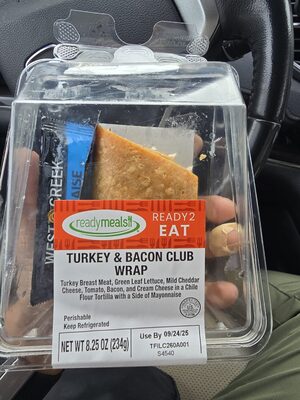
Foods that contain Vitamin E And Vitamin C Palmitate
Compare products →




Learn more
Auto-generated content. This description was generated automatically and is pending editorial review. Inaccuracies are possible. Found a mistake? Contact us.