Vitamins A
What is Vitamins A?
Vitamin A is a fat-soluble vitamin that is essential for vision, immune function, and cell growth. It occurs naturally in foods as preformed vitamin A (retinol) and as provitamin A carotenoids, which the body converts to vitamin A. Many foods are fortified with vitamin A, often in the form of retinyl palmitate or acetate.
Is Vitamins A a major allergen?
Vitamin A itself is not one of the FDA's major allergens.
What is Vitamins A used for?
Vitamin A is added to foods as a nutrient supplement to help consumers meet their daily requirements.
Is Vitamins A safe?
Vitamin A is an essential nutrient, and the US National Academies have established a Tolerable Upper Intake Level (UL) for it.
Why it's used
Vitamin A is added to foods as a nutrient supplement to help consumers meet their daily requirements. It is commonly found in fortified dairy products like milk and yogurt, cereals, and some beverages. It can also be added to infant formula and dietary supplements.
Health notes
Vitamin A is an essential nutrient, and the US National Academies have established a Tolerable Upper Intake Level (UL) for it. The FDA considers vitamin A to be a necessary nutrient and allows its addition to foods. JECFA and EFSA have also evaluated vitamin A. Excessive intake of preformed vitamin A can be toxic, leading to health problems, while deficiency can cause vision impairment and other health issues. Dietary guidelines recommend obtaining vitamin A from a balanced diet.
Allergen info
Vitamin A itself is not one of the FDA's major allergens. However, it can be added to products that contain allergens, and some forms of vitamin A might be derived from animal sources.
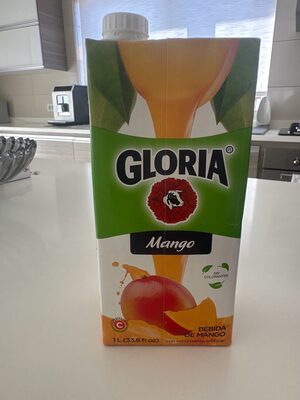
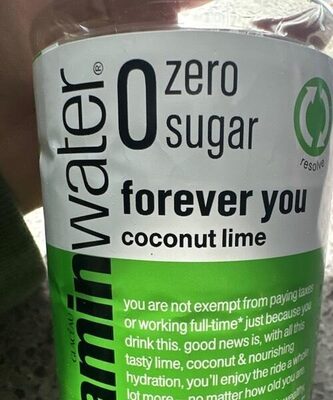
Foods that contain Vitamins A
Compare products →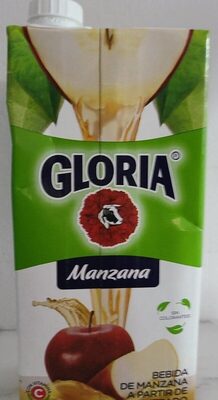
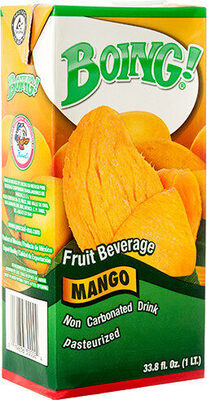
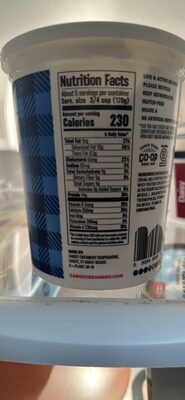

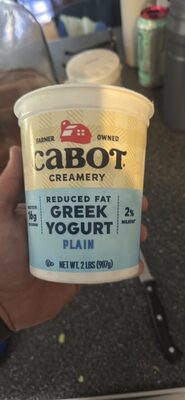

Learn more
Auto-generated content. This description was generated automatically and is pending editorial review. Inaccuracies are possible. Found a mistake? Contact us.