Vitamins & Minerals
Auto-generated content. This description was generated automatically and is pending editorial review. Inaccuracies are possible. Found a mistake? Contact us.
What it is
Vitamins are organic compounds essential for human health, needed in small amounts for normal cell function. Minerals are inorganic elements that the body needs for growth, development, and overall health. Many vitamins and minerals occur naturally in foods, but they are also added to processed foods to boost their nutritional value.
Why it's used
Manufacturers add vitamins and minerals to foods to fortify them, helping consumers meet their daily nutrient needs. This is common in products like breakfast cereals, dairy products, plant-based meat alternatives, and beverages. Fortification can help prevent nutrient deficiencies in the population.
Health notes
Vitamins and minerals are essential nutrients. The U.S. Food and Drug Administration (FDA) regulates their addition to foods. The National Academies of Sciences, Engineering, and Medicine have established Upper Intake Levels (ULs) for many vitamins and minerals to prevent adverse health effects from excessive intake. International bodies like the Joint FAO/WHO Expert Committee on Food Additives (JECFA) and the European Food Safety Authority (EFSA) have also evaluated many vitamins and minerals.
Allergen info
Not a major allergen. Some vitamin or mineral supplements may be produced using ingredients derived from major allergens, but the vitamins and minerals themselves are not.
Products containing Vitamins & Minerals
Compare products →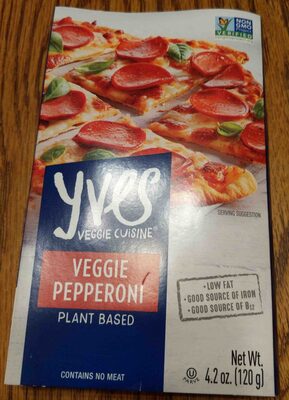 YVES VEGGIE CUISINE
Yves Veggie Cuisine, Veggie Pepperoni
150kcal
23.3Protein
1.7Fat
10Carbs
YVES VEGGIE CUISINE
Yves Veggie Cuisine, Veggie Pepperoni
150kcal
23.3Protein
1.7Fat
10Carbs
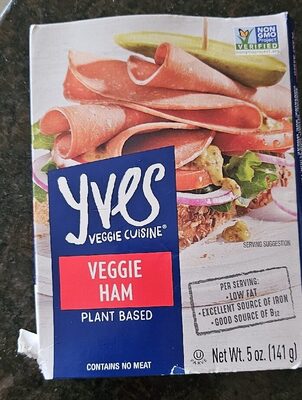 YVES VEGGIE CUISINE
Veggei Ham
157kcal
23.5Protein
2.0Fat
11.8Carbs
YVES VEGGIE CUISINE
Veggei Ham
157kcal
23.5Protein
2.0Fat
11.8Carbs
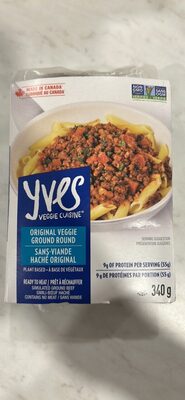 YVES VEGGIE CUISINE
Veggie Ground, Vegan
109kcal
18.2Protein
0.9Fat
9.1Carbs
YVES VEGGIE CUISINE
Veggie Ground, Vegan
109kcal
18.2Protein
0.9Fat
9.1Carbs
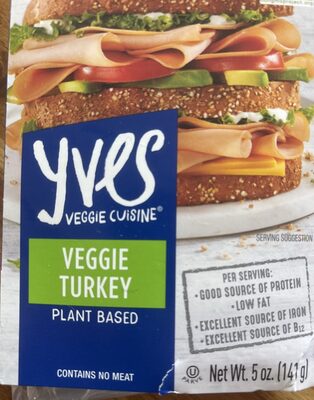 YVES VEGGIE CUISINE
Veggie Turkey, Vegan
157kcal
23.5Protein
2.0Fat
7.8Carbs
YVES VEGGIE CUISINE
Veggie Turkey, Vegan
157kcal
23.5Protein
2.0Fat
7.8Carbs
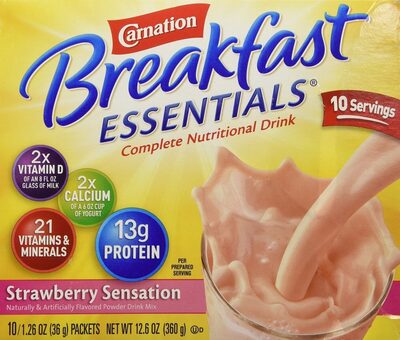 Nestle USA Inc.
Strawberry Sensation Flavored Complete Nutritional Drink, Strawberry Sensation
361kcal
13.9Protein
0Fat
75Carbs
Nestle USA Inc.
Strawberry Sensation Flavored Complete Nutritional Drink, Strawberry Sensation
361kcal
13.9Protein
0Fat
75Carbs
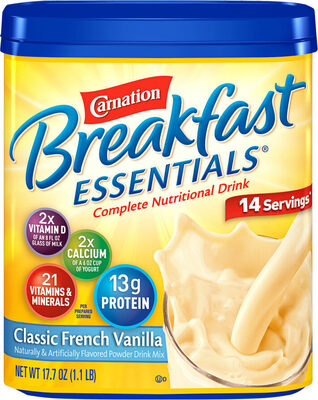 Nestle USA Inc.
Classic French Vanilla Flavored Nutritional Drink, Classic French Vanilla
361kcal
13.9Protein
0Fat
75Carbs
Nestle USA Inc.
Classic French Vanilla Flavored Nutritional Drink, Classic French Vanilla
361kcal
13.9Protein
0Fat
75Carbs
 Galaxy Nutritional Foods, Inc.
Lactose Free Cheesy Bliss, American Style Singles
235kcal
17.6Protein
14.7Fat
5.9Carbs
Munchkin, Inc.
Morning Glory Pregnancy Cookie, Morning Glory
High in saturated fat — 30% DV per serving
351kcal
7.0Protein
14.0Fat
52.6Carbs
Deep Foods Inc.
Low Fat Lassi, Sweet
97kcal
2.1Protein
1.5Fat
19.5Carbs
Galaxy Nutritional Foods, Inc.
Cheddar Style Singles Cheesy Bliss, Cheddar
235kcal
17.6Protein
17.6Fat
5.9Carbs
Galaxy Nutritional Foods, Inc.
Bars, White Cheddar Style
238kcal
14.3Protein
19.1Fat
4.8Carbs
Galaxy Nutritional Foods, Inc.
Pepper Jack Style Singles, Pepper Jack
235kcal
17.6Protein
17.6Fat
5.9Carbs
Galaxy Nutritional Foods, Inc.
Lactose Free Cheesy Bliss, American Style Singles
235kcal
17.6Protein
14.7Fat
5.9Carbs
Munchkin, Inc.
Morning Glory Pregnancy Cookie, Morning Glory
High in saturated fat — 30% DV per serving
351kcal
7.0Protein
14.0Fat
52.6Carbs
Deep Foods Inc.
Low Fat Lassi, Sweet
97kcal
2.1Protein
1.5Fat
19.5Carbs
Galaxy Nutritional Foods, Inc.
Cheddar Style Singles Cheesy Bliss, Cheddar
235kcal
17.6Protein
17.6Fat
5.9Carbs
Galaxy Nutritional Foods, Inc.
Bars, White Cheddar Style
238kcal
14.3Protein
19.1Fat
4.8Carbs
Galaxy Nutritional Foods, Inc.
Pepper Jack Style Singles, Pepper Jack
235kcal
17.6Protein
17.6Fat
5.9Carbs