Wheat And Salt
What is Wheat And Salt?
Wheat is a cereal grain, typically processed into flour. Salt, or sodium chloride, is a mineral extracted from seawater or underground deposits. These two fundamental ingredients are often combined in food products.
Is Wheat And Salt vegan?
Wheat And Salt is not animal-derived. Products that contain it can still include other animal-derived ingredients, so check the full ingredient list.
Is Wheat And Salt gluten-free?
Wheat is a major allergen and contains gluten.
What is Wheat And Salt used for?
Wheat provides structure and carbohydrates in many foods, while salt enhances flavor and acts as a preservative.
Is Wheat And Salt safe?
Wheat is identified by the FDA as one of the nine major food allergens and contains gluten, which can cause reactions in individuals with celiac disease or gluten sensitivity.
Why it's used
Wheat provides structure and carbohydrates in many foods, while salt enhances flavor and acts as a preservative. They are frequently found together in seasoning mixes, sauces, and various baked and processed foods.
Health notes
Wheat is identified by the FDA as one of the nine major food allergens and contains gluten, which can cause reactions in individuals with celiac disease or gluten sensitivity. The FDA recognizes salt (sodium chloride) as Generally Recognized As Safe (GRAS). High intake of sodium is linked to increased blood pressure. The FDA Daily Value for sodium is 2,300 mg per day. JECFA has evaluated salt and did not set a numeric limit (ADI not specified) because it is an essential nutrient.
Allergen info
Wheat is a major allergen and contains gluten. Salt is not a major allergen.
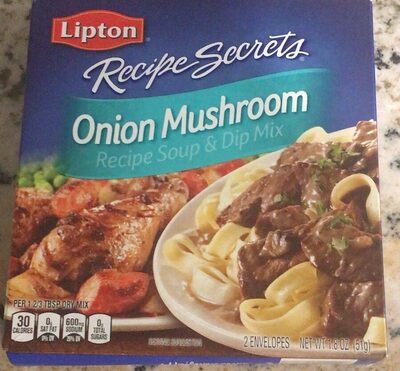
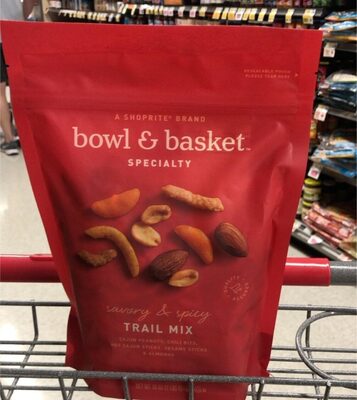
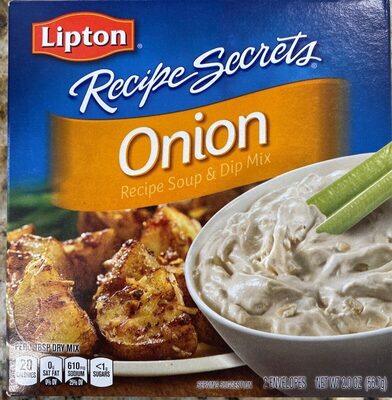
Foods that contain Wheat And Salt
Compare products →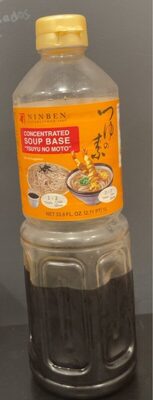
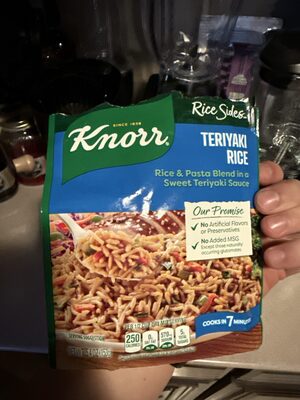
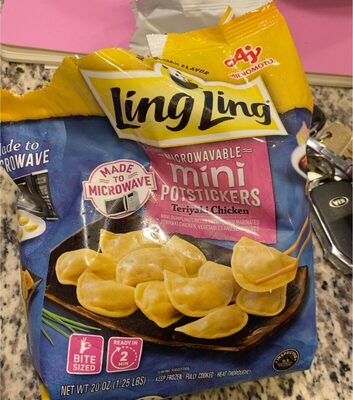
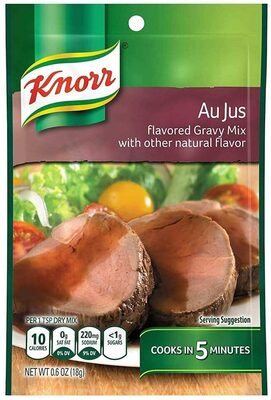


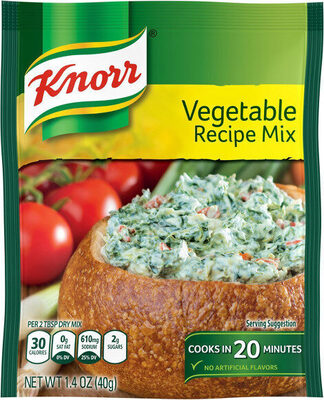
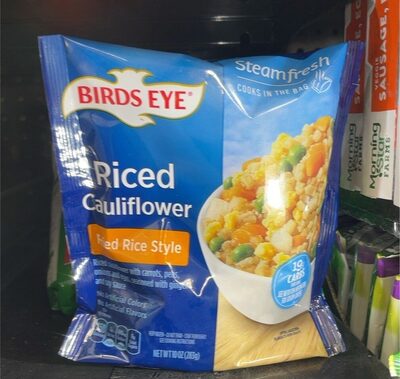
Learn more
Auto-generated content. This description was generated automatically and is pending editorial review. Inaccuracies are possible. Found a mistake? Contact us.