White Cabbage
What is White Cabbage?
White cabbage is a variety of Brassica oleracea, commonly grown for its edible head of tightly packed leaves. It is a cruciferous vegetable native to Europe, often used in cooked dishes, fermented foods, and salads. It is a good source of vitamins C and K.
Is White Cabbage vegan?
White Cabbage is not animal-derived. Products that contain it can still include other animal-derived ingredients, so check the full ingredient list.
Is White Cabbage gluten-free?
It does not contain gluten.
Is White Cabbage a major allergen?
White cabbage is not one of the nine major allergens recognized by the FDA.
What is White Cabbage used for?
White cabbage is primarily used as a vegetable in its raw or cooked form.
Is White Cabbage safe?
White cabbage is generally recognized as safe (GRAS) by the FDA when used as a food.
Why it's used
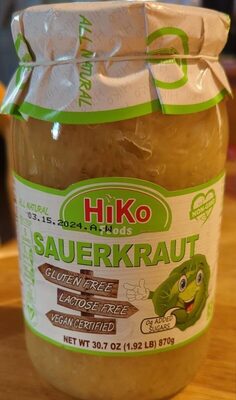
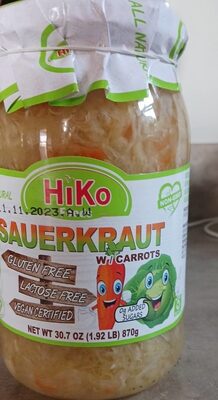
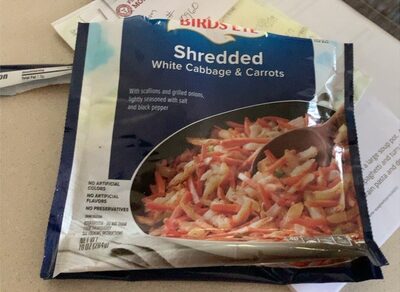
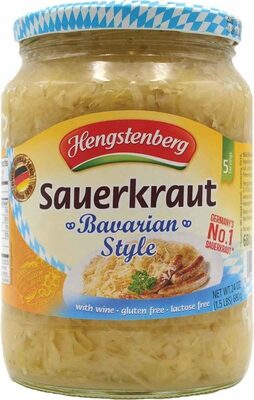
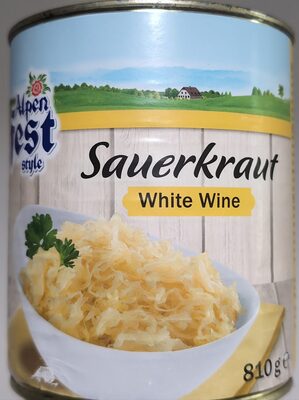
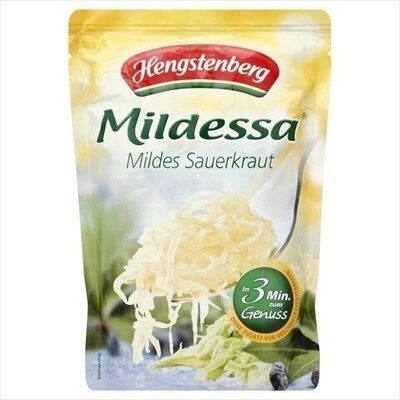
White cabbage is primarily used as a vegetable in its raw or cooked form. It is the main ingredient in sauerkraut, a fermented cabbage dish. Manufacturers may also use it in prepared foods like frozen appetizers and relishes for its texture and mild flavor.
Health notes
White cabbage is generally recognized as safe (GRAS) by the FDA when used as a food. It is a nutrient-dense vegetable that provides vitamins and fiber. JECFA has evaluated white cabbage and found no safety concerns. Evidence does not suggest adverse health effects from typical dietary intake.
Allergen info
White cabbage is not one of the nine major allergens recognized by the FDA. It does not contain gluten.
Foods that contain White Cabbage
Compare products →




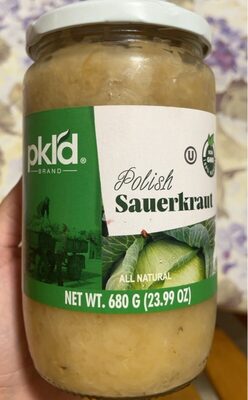
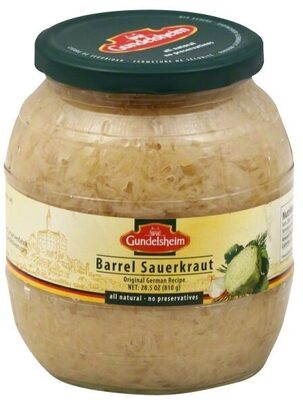
Auto-generated content. This description was generated automatically and is pending editorial review. Inaccuracies are possible. Found a mistake? Contact us.