White & Sweet Rice
What is White & Sweet Rice?
Rice is a grain, a staple food for much of the world's population. White rice has had its outer layers (bran and germ) removed, while sweet rice, also known as glutinous rice, is a type of sticky rice with a high starch content. Both are grown from plants in the Oryza genus.
Is White & Sweet Rice vegan?
White & Sweet Rice is not animal-derived. Products that contain it can still include other animal-derived ingredients, so check the full ingredient list.
Is White & Sweet Rice gluten-free?
It does not contain gluten.
Is White & Sweet Rice a major allergen?
Rice is not one of the nine FDA major allergens.
What is White & Sweet Rice used for?
Rice flour and starches are used in baking and processed foods as thickeners, binders, and to improve texture.
Is White & Sweet Rice safe?
Rice and rice derivatives are generally recognized as safe (GRAS) by the FDA for use in food.
Why it's used
Rice flour and starches are used in baking and processed foods as thickeners, binders, and to improve texture. They are common in gluten-free products, batters, and as a source of carbohydrates. Sweet rice flour is particularly valued for its ability to create a chewy or sticky texture.
Health notes
Rice and rice derivatives are generally recognized as safe (GRAS) by the FDA for use in food. They are a primary source of carbohydrates. Regulatory bodies like JECFA and EFSA have evaluated various rice products and derivatives. While rice is a staple, concerns about arsenic levels in rice have been raised, and the FDA provides guidance for consumers to minimize exposure.
Allergen info
Rice is not one of the nine FDA major allergens. It does not contain gluten.
Foods that contain White & Sweet Rice
Compare products →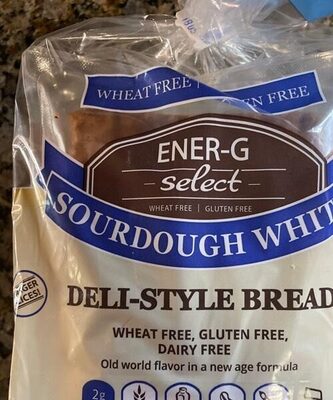

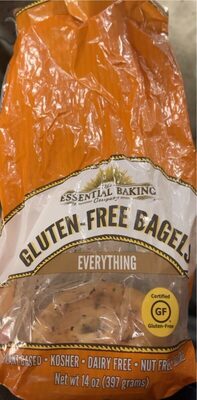
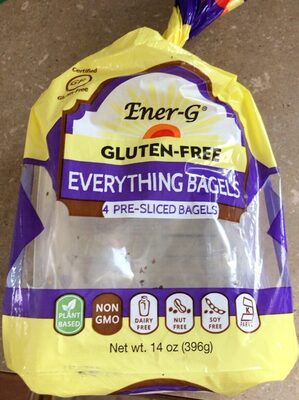
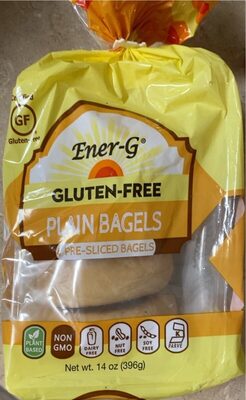
Learn more
Auto-generated content. This description was generated automatically and is pending editorial review. Inaccuracies are possible. Found a mistake? Contact us.