White
What is White?
White is a common food ingredient that is a refined carbohydrate. It is primarily made from processed grains, most notably wheat, and is a source of energy. The refining process removes bran and germ, leaving mostly the starchy endosperm.
Is White vegan?
White is not animal-derived. Products that contain it can still include other animal-derived ingredients, so check the full ingredient list.
Is White gluten-free?
White, when derived from wheat, contains gluten and is therefore not suitable for individuals with celiac disease or gluten sensitivity.
What is White used for?
Manufacturers use white as a sweetener and a source of carbohydrates in a wide variety of processed foods.
Is White safe?
White is generally recognized as safe (GRAS) by the FDA for use in food.
Why it's used
Manufacturers use white as a sweetener and a source of carbohydrates in a wide variety of processed foods. It is a key ingredient in baked goods, candies, and beverages, providing sweetness and bulk.
Health notes
White is generally recognized as safe (GRAS) by the FDA for use in food. Consuming large amounts of refined carbohydrates like white may impact blood sugar levels. The Joint FAO/WHO Expert Committee on Food Additives (JECFA) has evaluated sweeteners, and EFSA has also reviewed food additives. Evidence on the health effects of refined carbohydrates is mixed, with some studies suggesting potential links to health issues when consumed in excess as part of an unbalanced diet.
Allergen info
White, when derived from wheat, contains gluten and is therefore not suitable for individuals with celiac disease or gluten sensitivity. Wheat is one of the 9 FDA major allergens.
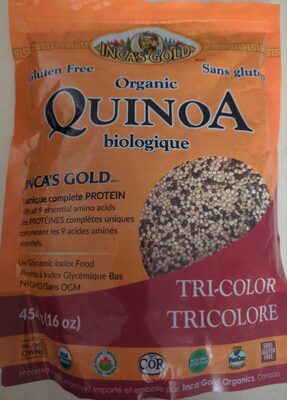
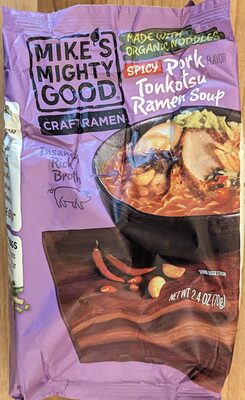
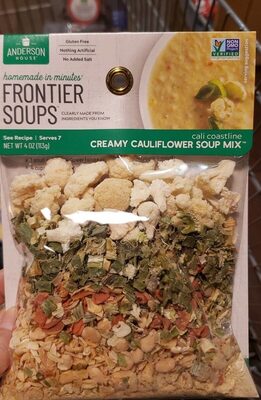
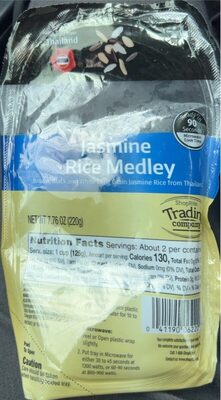
Foods that contain White
Compare products →








Learn more
Auto-generated content. This description was generated automatically and is pending editorial review. Inaccuracies are possible. Found a mistake? Contact us.