Whole Egg And Egg Yolk
Auto-generated content. This description was generated automatically and is pending editorial review. Inaccuracies are possible. Found a mistake? Contact us.
What it is
Whole eggs include the white and yolk, while egg yolks are the yellow, nutrient-rich part of the egg. Eggs are laid by female birds, most commonly chickens for food production. They are used in food either in their natural form or processed into powders, liquids, or dried forms.
Why it's used
Eggs are a source of protein and fat, and they act as emulsifiers, binders, and leavening agents in baked goods. They are commonly found in ice cream, salad dressings, mayonnaise, baked goods, and pasta.
Health notes
Eggs are a nutrient-dense food, providing protein, vitamins, and minerals. The FDA considers eggs to be a safe and nutritious food. Concerns about dietary cholesterol from eggs have been largely addressed by current dietary guidelines, which focus on overall dietary patterns rather than single nutrients. JECFA and EFSA have evaluated eggs and their components.
Allergen info
Eggs are one of the 9 major allergens recognized by the FDA. People with an egg allergy must avoid all products containing eggs or egg derivatives.
Products containing Whole Egg And Egg Yolk
Compare products →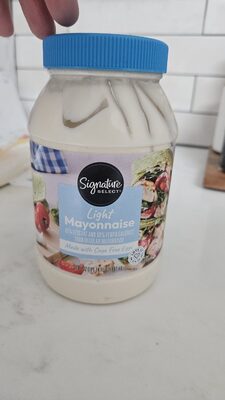 Safeway, Inc.
Light Mayonnaise, Light
250kcal
0Protein
25Fat
7.1Carbs
Boar's Head Provision Co., Inc.
Real Mayonnaise
786kcal
0Protein
78.6Fat
0Carbs
High Liner Foods (USA) Incorporated
Authentic Maryland Style Recipe Crab Cakes
286kcal
7.1Protein
21.4Fat
11.9Carbs
Safeway, Inc.
Light Mayonnaise, Light
250kcal
0Protein
25Fat
7.1Carbs
Boar's Head Provision Co., Inc.
Real Mayonnaise
786kcal
0Protein
78.6Fat
0Carbs
High Liner Foods (USA) Incorporated
Authentic Maryland Style Recipe Crab Cakes
286kcal
7.1Protein
21.4Fat
11.9Carbs
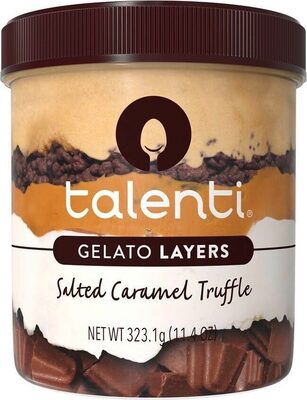 Conopco Inc.
Salted Caramel Truffle Gelato Layers, Salted Caramel Truffle
High in saturated fat — 50% DV per serving
High in added sugars — 52% DV per serving
274kcal
4.3Protein
12.8Fat
35.9Carbs
Conopco Inc.
Salted Caramel Truffle Gelato Layers, Salted Caramel Truffle
High in saturated fat — 50% DV per serving
High in added sugars — 52% DV per serving
274kcal
4.3Protein
12.8Fat
35.9Carbs