Whole Grain Mustard
What is Whole Grain Mustard?
Whole grain mustard is made from whole mustard seeds, which are crushed or coarsely ground. It often includes other ingredients like vinegar, water, salt, and spices. The seeds retain their hulls, giving the mustard a coarser texture and a more robust flavor than smooth mustard.
Is Whole Grain Mustard vegan?
Whole Grain Mustard is not animal-derived. Products that contain it can still include other animal-derived ingredients, so check the full ingredient list.
Is Whole Grain Mustard gluten-free?
It is not related to gluten.
Is Whole Grain Mustard a major allergen?
Mustard is considered one of the nine major food allergens by the FDA.
What is Whole Grain Mustard used for?
Whole grain mustard is used as a condiment and flavor enhancer.
Is Whole Grain Mustard safe?
Mustard seeds are generally recognized as safe (GRAS) by the FDA.
Why it's used
Whole grain mustard is used as a condiment and flavor enhancer. Its texture and pungent taste add depth to sauces, dressings, marinades, and sandwich spreads. It is commonly found in pickles, relishes, ketchup, barbecue sauce, and as a standalone mustard product.
Health notes
Mustard seeds are generally recognized as safe (GRAS) by the FDA. They contain various compounds that may have antioxidant and anti-inflammatory properties. International bodies like JECFA have evaluated mustard and its preparations. At typical dietary levels, whole grain mustard is not associated with adverse health effects.
Allergen info
Mustard is considered one of the nine major food allergens by the FDA. It is not related to gluten.
Foods that contain Whole Grain Mustard
Compare products →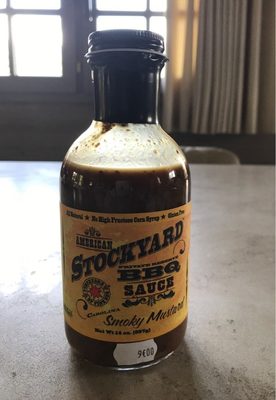
Learn more
Auto-generated content. This description was generated automatically and is pending editorial review. Inaccuracies are possible. Found a mistake? Contact us.