Whole Grain Red Rice
What is Whole Grain Red Rice?
Whole grain red rice is a type of rice that retains its bran and germ layers, giving it a reddish-brown color. It is a variety of rice, often a long-grain type, grown in various parts of the world, including Asia. The red color comes from anthocyanins, the same antioxidants found in berries.
Is Whole Grain Red Rice vegan?
Whole Grain Red Rice is not animal-derived. Products that contain it can still include other animal-derived ingredients, so check the full ingredient list.
Is Whole Grain Red Rice gluten-free?
It does not contain gluten.
Is Whole Grain Red Rice a major allergen?
Rice is not one of the nine FDA major allergens.
What is Whole Grain Red Rice used for?
Red rice is used as a whole grain in dishes like pilafs, salads, and side dishes, offering a nutty flavor and chewy texture.
Is Whole Grain Red Rice safe?
Whole grain red rice is a source of fiber, vitamins, and minerals.
Why it's used
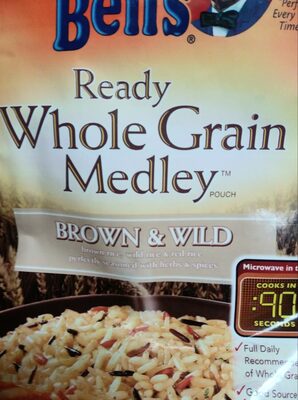
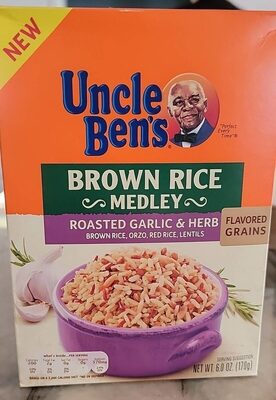
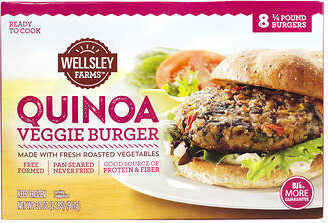
Red rice is used as a whole grain in dishes like pilafs, salads, and side dishes, offering a nutty flavor and chewy texture. Manufacturers use it in packaged foods like flavored rice mixes, crackers, and entrees for its color, texture, and nutritional profile.
Health notes
Whole grain red rice is a source of fiber, vitamins, and minerals. The U.S. Food and Drug Administration (FDA) generally recognizes whole grains as safe (GRAS) when used as food. International bodies like the European Food Safety Authority (EFSA) have evaluated rice and its components, with no specific concerns raised regarding typical consumption levels of whole grain red rice.
Allergen info
Rice is not one of the nine FDA major allergens. It does not contain gluten.
Foods that contain Whole Grain Red Rice
Compare products →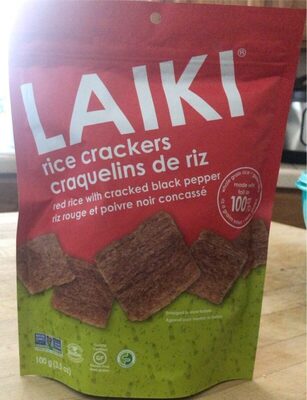 Laiki
Red Rice With Cracked Black Pepper, Cracked Black Pepper
464kcal
14.3Protein
21.4Fat
60.7Carbs
Learn more
Auto-generated content. This description was generated automatically and is pending editorial review. Inaccuracies are possible. Found a mistake? Contact us.