Wild Caught
Auto-generated content. This description was generated automatically and is pending editorial review. Inaccuracies are possible. Found a mistake? Contact us.
What it is
Wild caught refers to fish or seafood that have been caught in their natural habitat, such as oceans, rivers, or lakes, rather than being farmed or raised in aquaculture. This method relies on natural populations and ecosystems for the food source.
Why it's used
Wild caught is not an ingredient added for a specific function like preservation or sweetening. Instead, it signifies the origin of the fish or seafood, appealing to consumers who prefer products from natural environments. It is commonly found in frozen or canned fish and seafood products.
Health notes
The FDA does not specifically regulate 'wild caught' as an ingredient. Health implications are generally tied to the type of fish or seafood and its nutritional profile, including omega-3 fatty acids and potential contaminants like mercury. Regulatory bodies like the WHO and FDA monitor contaminant levels in seafood. There are no widespread controversies regarding the 'wild caught' designation itself, though sustainability and fishing practices are often discussed.
Allergen info
Fish and shellfish are among the 9 major allergens recognized by the FDA. Therefore, products labeled 'wild caught' that contain fish or shellfish are considered major allergens.
Products containing Wild Caught
Compare products →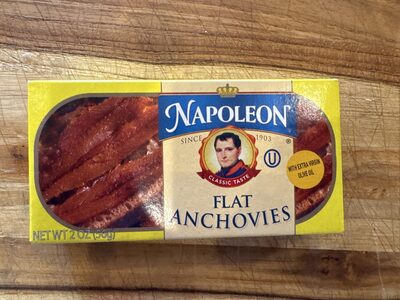 The Napoleon Co.
Napoleon, Fillets Of Anchovies In Olive Oil
High in sodium — 39% DV per serving
194kcal
25Protein
10.6Fat
0Carbs
Mark Foods Inc
Wild Caught Sustainable Chilean Seabass
High in cholesterol — 20% DV per serving
193kcal
14.9Protein
14.9Fat
0.9Carbs
Singleton Packing Corp
Oven Ready Breaded Calamari
High in sodium — 36% DV per serving
High in cholesterol — 53% DV per serving
204kcal
12.4Protein
7.1Fat
22.1Carbs
The Napoleon Co.
Rolled Anchovies
267kcal
20Protein
20Fat
0Carbs
Tai Foong USA, Inc.
Panko Calamari With Sriracha Aioli, Panko With Sriracha Aioli
High in sodium — 32% DV per serving
High in cholesterol — 44% DV per serving
254kcal
9.2Protein
14.1Fat
23.2Carbs
Tai Foong USA, Inc.
Sea Salt & Pepper Calamari, Sea Salt & Pepper
High in sodium — 23% DV per serving
High in cholesterol — 45% DV per serving
224kcal
9.4Protein
12.9Fat
20Carbs
The Napoleon Co.
Napoleon, Fillets Of Anchovies In Olive Oil
High in sodium — 39% DV per serving
194kcal
25Protein
10.6Fat
0Carbs
Mark Foods Inc
Wild Caught Sustainable Chilean Seabass
High in cholesterol — 20% DV per serving
193kcal
14.9Protein
14.9Fat
0.9Carbs
Singleton Packing Corp
Oven Ready Breaded Calamari
High in sodium — 36% DV per serving
High in cholesterol — 53% DV per serving
204kcal
12.4Protein
7.1Fat
22.1Carbs
The Napoleon Co.
Rolled Anchovies
267kcal
20Protein
20Fat
0Carbs
Tai Foong USA, Inc.
Panko Calamari With Sriracha Aioli, Panko With Sriracha Aioli
High in sodium — 32% DV per serving
High in cholesterol — 44% DV per serving
254kcal
9.2Protein
14.1Fat
23.2Carbs
Tai Foong USA, Inc.
Sea Salt & Pepper Calamari, Sea Salt & Pepper
High in sodium — 23% DV per serving
High in cholesterol — 45% DV per serving
224kcal
9.4Protein
12.9Fat
20Carbs