Acidity Corrector: Citric Acid
Auto-generated content. This description was generated automatically and is pending editorial review. Inaccuracies are possible. Found a mistake? Contact us.
What it is
Citric acid is a weak organic acid found naturally in citrus fruits like lemons and limes. It is commonly produced commercially through the fermentation of a sugar source, such as corn or sugarcane, by a specific type of mold (Aspergillus niger). This process yields a highly purified, crystalline powder.
Why it's used
Manufacturers use citric acid primarily as an acidity regulator, flavor enhancer, and preservative. It provides a tart, sour taste and helps to balance sweetness in foods and beverages. It is also used to prevent spoilage by inhibiting microbial growth and to maintain the color and texture of processed foods.
Health notes
Citric acid is generally recognized as safe (GRAS) by the U.S. Food and Drug Administration (FDA) for use in food. It is a common component of human metabolism. International bodies like JECFA (Joint FAO/WHO Expert Committee on Food Additives) and EFSA (European Food Safety Authority) have evaluated citric acid and its salts, finding them safe for consumption. No significant health concerns are associated with its typical use in food.
Allergen info
Citric acid is not derived from any of the nine FDA major allergens. It does not contain gluten.
Products containing Acidity Corrector: Citric Acid
Compare products →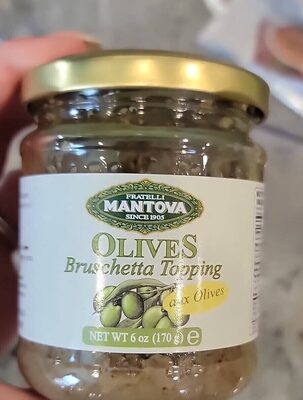 Fratelli Mantova Fu Vincenzo
Olives Bruschetta Topping
408kcal
1.4Protein
43.6Fat
2.6Carbs
Times Of Wayne County, Inc.
Soft Nougat With Lemon, Lemon
467kcal
6.7Protein
23.3Fat
60Carbs
Times Of Wayne County, Inc.
Soft Nougat With Sour Cherries
500kcal
10Protein
23.3Fat
56.7Carbs
Times Of Wayne County, Inc.
Soft Nougat With Tropical Fruit, Tropical Fruit
467kcal
10Protein
23.3Fat
60Carbs
Altizen Inc.
Dais, Cookies, Al Mandarino, Al Mandarino
425kcal
7.1Protein
17.9Fat
60.7Carbs
Golden Artist Colors, Inc.
Artichokes Pate
163kcal
3.3Protein
13.3Fat
10Carbs
Golden Artist Colors, Inc.
Marinated Artichokes
92kcal
2.5Protein
5Fat
15Carbs
Altizen Inc.
Almond And Lemon Cookies
421kcal
7.1Protein
17.9Fat
60.7Carbs
Altizen Inc.
Traditional Italian Cake
High in saturated fat — 40% DV per serving
High in cholesterol — 38% DV per serving
379kcal
6.7Protein
14.4Fat
54.4Carbs
Golden Artist Colors, Inc.
Marinated Mixed Mushrooms
92kcal
2.5Protein
7.5Fat
5Carbs
Golden Artist Colors, Inc.
Grilled Eggplants
90kcal
0Protein
7.5Fat
7.5Carbs
Toschi Vignola SRL
Mini Baba
260kcal
2Protein
3Fat
54Carbs
Fratelli Mantova Fu Vincenzo
Olives Bruschetta Topping
408kcal
1.4Protein
43.6Fat
2.6Carbs
Times Of Wayne County, Inc.
Soft Nougat With Lemon, Lemon
467kcal
6.7Protein
23.3Fat
60Carbs
Times Of Wayne County, Inc.
Soft Nougat With Sour Cherries
500kcal
10Protein
23.3Fat
56.7Carbs
Times Of Wayne County, Inc.
Soft Nougat With Tropical Fruit, Tropical Fruit
467kcal
10Protein
23.3Fat
60Carbs
Altizen Inc.
Dais, Cookies, Al Mandarino, Al Mandarino
425kcal
7.1Protein
17.9Fat
60.7Carbs
Golden Artist Colors, Inc.
Artichokes Pate
163kcal
3.3Protein
13.3Fat
10Carbs
Golden Artist Colors, Inc.
Marinated Artichokes
92kcal
2.5Protein
5Fat
15Carbs
Altizen Inc.
Almond And Lemon Cookies
421kcal
7.1Protein
17.9Fat
60.7Carbs
Altizen Inc.
Traditional Italian Cake
High in saturated fat — 40% DV per serving
High in cholesterol — 38% DV per serving
379kcal
6.7Protein
14.4Fat
54.4Carbs
Golden Artist Colors, Inc.
Marinated Mixed Mushrooms
92kcal
2.5Protein
7.5Fat
5Carbs
Golden Artist Colors, Inc.
Grilled Eggplants
90kcal
0Protein
7.5Fat
7.5Carbs
Toschi Vignola SRL
Mini Baba
260kcal
2Protein
3Fat
54Carbs