Acidity Regulators: Citric Acid
Auto-generated content. This description was generated automatically and is pending editorial review. Inaccuracies are possible. Found a mistake? Contact us.
What it is
Citric acid is a weak organic acid found naturally in citrus fruits like lemons and oranges. It is produced commercially through the fermentation of sugar by specific molds, primarily Aspergillus niger. This process yields a white crystalline powder that is highly soluble in water.
Why it's used
Manufacturers add citric acid to foods and beverages to control acidity, enhance flavor, and act as a preservative. It provides a tart, sour taste and can help prevent spoilage by inhibiting microbial growth. It is commonly found in candies, jams, jellies, soft drinks, and processed fruits and vegetables.
Health notes
Citric acid is generally recognized as safe (GRAS) by the FDA for use in food. It is a natural component of the body's energy production cycle (Krebs cycle). International bodies like JECFA have evaluated citric acid and established acceptable daily intake levels. At typical consumption levels, it is not associated with adverse health effects. Evidence does not suggest a link between citric acid consumption and negative health outcomes.
Allergen info
Citric acid is not derived from any of the nine FDA major allergens. It does not contain gluten.
Products containing Acidity Regulators: Citric Acid
Compare products →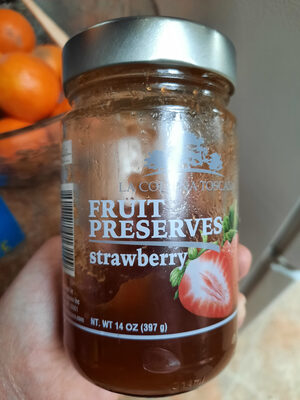 La Collina Toscana Inc.
Strawberry Fruit Preserves, Strawberry
260kcal
0Protein
0Fat
60Carbs
Target Stores
Goat Cheese, Red Onion & Sun Dried Tomato Wood-Fired Crust Flatbread With Mozzarella Cheese On A Hand-Stretched Crust, Goat Cheese, Red Onion & Sun Dried Tomato
High in sodium — 24% DV per serving
High in saturated fat — 20% DV per serving
243kcal
10.3Protein
7.5Fat
32.7Carbs
La Collina Toscana Inc.
Strawberry Fruit Preserves, Strawberry
260kcal
0Protein
0Fat
60Carbs
Target Stores
Goat Cheese, Red Onion & Sun Dried Tomato Wood-Fired Crust Flatbread With Mozzarella Cheese On A Hand-Stretched Crust, Goat Cheese, Red Onion & Sun Dried Tomato
High in sodium — 24% DV per serving
High in saturated fat — 20% DV per serving
243kcal
10.3Protein
7.5Fat
32.7Carbs