Acidulant
What is Acidulant?
Acidulants are substances that make food taste sour or tart. They can be naturally found in fruits and vegetables, or they can be produced through chemical processes, often involving fermentation. Common examples include citric acid, malic acid, and acetic acid.
Is Acidulant vegan?
Acidulant is not animal-derived. Products that contain it can still include other animal-derived ingredients, so check the full ingredient list.
Is Acidulant gluten-free?
Gluten is not typically associated with acidulants.
Is Acidulant a major allergen?
Most common acidulants are not derived from major allergens.
What is Acidulant used for?
Manufacturers add acidulants to foods to provide a sour taste, enhance flavors, and act as preservatives by lowering pH.
Is Acidulant safe?
In the U.S., many common acidulants are Generally Recognized As Safe (GRAS) by the FDA.
Why it's used
Manufacturers add acidulants to foods to provide a sour taste, enhance flavors, and act as preservatives by lowering pH. They are frequently found in beverages, candies, jams, jellies, and baked goods to improve taste and shelf life.
Health notes
In the U.S., many common acidulants are Generally Recognized As Safe (GRAS) by the FDA. They are typically consumed in small amounts and are not associated with adverse health effects at these levels. International bodies like JECFA and EFSA have evaluated many acidulants. While generally considered safe, excessive consumption of highly acidic foods can potentially erode tooth enamel.
Allergen info
Most common acidulants are not derived from major allergens. However, some may be produced using processes that involve allergens, so individuals with severe allergies should check product labels. Gluten is not typically associated with acidulants.
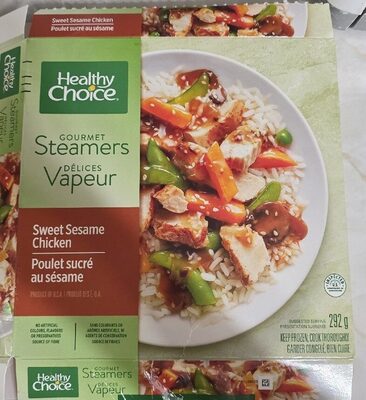
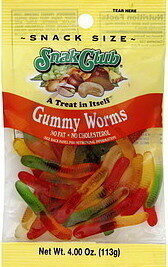
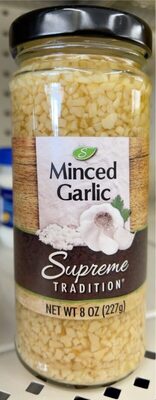
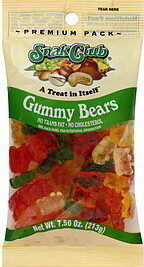
Foods that contain Acidulant
Compare products →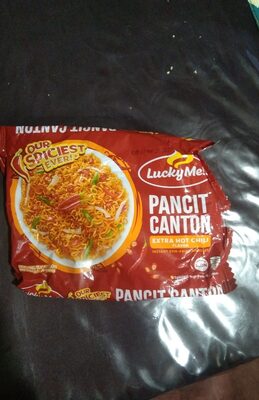





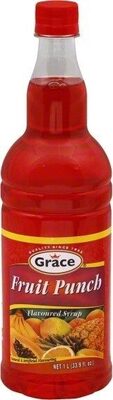

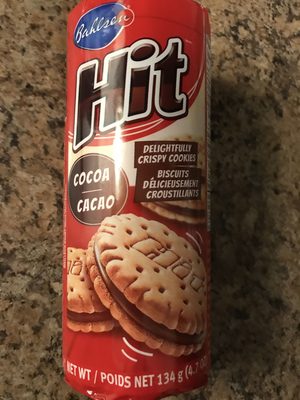


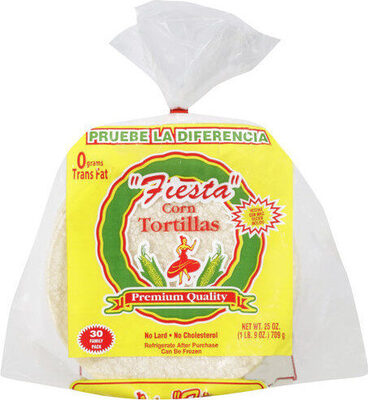
Auto-generated content. This description was generated automatically and is pending editorial review. Inaccuracies are possible. Found a mistake? Contact us.