Aged Over 10 Months
Auto-generated content. This description was generated automatically and is pending editorial review. Inaccuracies are possible. Found a mistake? Contact us.
What it is
This term refers to cheese that has been aged for a minimum of 10 months. Aging allows cheese to develop a firmer texture and a more complex, sharper flavor profile.
Why it's used
Manufacturers use aged cheese as a key ingredient in various dishes, adding a rich, savory taste. It is commonly found in shredded or grated forms for toppings on pasta, salads, and baked goods, as well as in dips and spreads.
Health notes
Aged cheese is a natural food product and does not have specific regulatory classifications like food additives. It is a source of protein, calcium, and other nutrients. Like all foods, it should be consumed in moderation as part of a balanced diet. The FDA does not set specific limits for aged cheese consumption.
Allergen info
Aged cheese is typically derived from milk, which is one of the FDA's major allergens. It does not contain gluten unless added during processing.
Products containing Aged Over 10 Months
Compare products →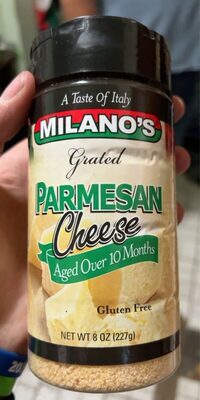 Jvm Sales Corp.
Parmesan Grated Cheese, Parmesan
400kcal
20Protein
20Fat
40Carbs
Jvm Sales Corp.
Parmesan Grated Cheese, Parmesan
400kcal
20Protein
20Fat
40Carbs