And Cultures
This entry is a label phrase. See the main ingredient page: Cultures.
What is And Cultures?
And Cultures is a general term for live microorganisms, often bacteria or yeasts, that are added to foods. They are typically grown in a laboratory or on a nutrient-rich medium. These cultures are then added to food products to perform specific functions, such as fermentation or to add beneficial microbes.
Is And Cultures a major allergen?
Depending on the specific culture and the medium it is grown on, it may be derived from major allergens.
What is And Cultures used for?
Manufacturers add cultures to foods to help with fermentation, which can improve flavor, texture, and preservation.
Is And Cultures safe?
Cultures used in food are generally recognized as safe (GRAS) by the FDA.
Why it's used
Manufacturers add cultures to foods to help with fermentation, which can improve flavor, texture, and preservation. They are commonly found in dairy products like yogurt and cheese, as well as in fermented vegetables like sauerkraut and kimchi. Some baked goods also use cultures for leavening or flavor development.
Health notes
Cultures used in food are generally recognized as safe (GRAS) by the FDA. Many cultures are considered probiotics, which are live microorganisms that may provide health benefits when consumed in adequate amounts, though research is ongoing. International bodies like the WHO/FAO Joint Expert Committee on Food Additives (JECFA) and the European Food Safety Authority (EFSA) have evaluated many specific strains of cultures, often finding them safe for intended use. Evidence on the specific health benefits of different cultures is still evolving.
Allergen info
Depending on the specific culture and the medium it is grown on, it may be derived from major allergens. For example, some cultures are grown on dairy or soy. Always check the product's ingredient list for specific allergen information.
Foods that contain And Cultures
Compare products →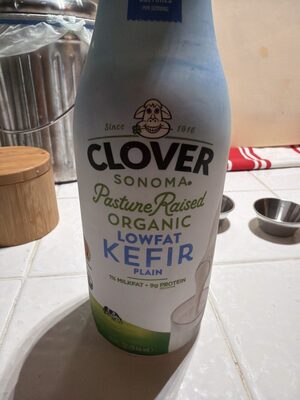
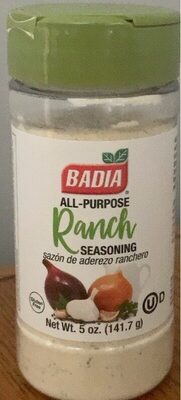
Auto-generated content. This description was generated automatically and is pending editorial review. Inaccuracies are possible. Found a mistake? Contact us.