And Vitamin D3 Added
Auto-generated content. This description was generated automatically and is pending editorial review. Inaccuracies are possible. Found a mistake? Contact us.
What it is
Vitamin D3, also known as cholecalciferol, is a fat-soluble vitamin that the body can produce when skin is exposed to sunlight. It is also found in some foods and can be added to others. It is often produced commercially from lanolin, a wool grease byproduct, or from lichen for vegan versions.
Why it's used
Vitamin D3 is added to foods to increase their vitamin D content, which is important for bone health. It is commonly found in fortified dairy products like milk and yogurt, as well as some plant-based milks, cereals, and orange juice.
Health notes
The U.S. Food and Drug Administration (FDA) considers added vitamin D to be safe and allows it to be added to many foods. Vitamin D plays a crucial role in calcium absorption and bone health. The Joint FAO/WHO Expert Committee on Food Additives (JECFA) and the European Food Safety Authority (EFSA) have evaluated vitamin D. Evidence suggests adequate vitamin D intake supports immune function. However, very high intakes can lead to adverse effects, though this is rare from food sources alone.
Allergen info
Vitamin D3 itself is not one of the nine major allergens. However, it may be added to products that contain allergens, and some forms of vitamin D3 are derived from lanolin (wool grease), which is not a major allergen.
Products containing And Vitamin D3 Added
Compare products →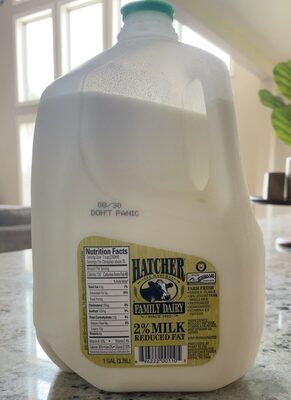 Hatcher Family Dairy
2% Reduced Fat Milk
50kcal
0Protein
1.9Fat
5Carbs
Lamers Dairy, Inc.
2% Reduced Fat Milk
50kcal
3.3Protein
2.1Fat
4.6Carbs
Cmc Foods Inc
1% Lowfat Chocolate Milk, Chocolate
High in added sugars — 30% DV per serving
69kcal
3.3Protein
1.0Fat
—Carbs
Lamers Dairy, Inc.
1% Lowfat Milk
42kcal
3.3Protein
1.0Fat
4.6Carbs
Eat Local
Chicken Pot Pie, Chicken
High in sodium — 28% DV per serving
High in saturated fat — 95% DV per serving
High in cholesterol — 43% DV per serving
165kcal
7.1Protein
9.1Fat
13.3Carbs
Eat Local
Cheesy Eggs With Bell Peppers & Bacon, Bell Peppers & Bacon
High in sodium — 26% DV per serving
High in saturated fat — 40% DV per serving
High in cholesterol — 70% DV per serving
150kcal
7.7Protein
8.3Fat
11Carbs
Hatcher Family Dairy
2% Reduced Fat Milk
50kcal
0Protein
1.9Fat
5Carbs
Lamers Dairy, Inc.
2% Reduced Fat Milk
50kcal
3.3Protein
2.1Fat
4.6Carbs
Cmc Foods Inc
1% Lowfat Chocolate Milk, Chocolate
High in added sugars — 30% DV per serving
69kcal
3.3Protein
1.0Fat
—Carbs
Lamers Dairy, Inc.
1% Lowfat Milk
42kcal
3.3Protein
1.0Fat
4.6Carbs
Eat Local
Chicken Pot Pie, Chicken
High in sodium — 28% DV per serving
High in saturated fat — 95% DV per serving
High in cholesterol — 43% DV per serving
165kcal
7.1Protein
9.1Fat
13.3Carbs
Eat Local
Cheesy Eggs With Bell Peppers & Bacon, Bell Peppers & Bacon
High in sodium — 26% DV per serving
High in saturated fat — 40% DV per serving
High in cholesterol — 70% DV per serving
150kcal
7.7Protein
8.3Fat
11Carbs