As Cyanocobalamin
Auto-generated content. This description was generated automatically and is pending editorial review. Inaccuracies are possible. Found a mistake? Contact us.
What it is
Cyanocobalamin is a form of vitamin B12. It is typically made through bacterial fermentation. This synthetic form of vitamin B12 is added to foods and supplements.
Why it's used
Manufacturers add cyanocobalamin to foods to fortify them with vitamin B12. It is commonly found in fortified cereals, plant-based milk alternatives, and nutritional supplements.
Health notes
In the US, cyanocobalamin is generally recognized as safe (GRAS) by the FDA when used as a nutrient. Vitamin B12 is essential for nerve function and the formation of red blood cells. JECFA and EFSA have evaluated vitamin B12 and established acceptable daily intakes. High doses are generally well-tolerated, as excess vitamin B12 is excreted by the body.
Allergen info
Not a major allergen. It is not derived from any of the nine FDA major allergens, nor does it contain gluten.
Products containing As Cyanocobalamin
Compare products →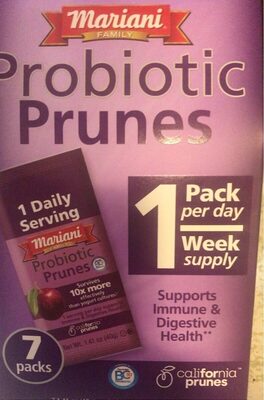 Mariani Packing Company
Probiotic Prunes
250kcal
2.5Protein
0Fat
62.5Carbs
PreMark Health Science, LLC
Vanilla Bean High Protein Plus Meal Replacement Shake, Vanilla Bean
368kcal
49.1Protein
6.1Fat
35.1Carbs
Mariani Packing Company
Probiotic Prunes
250kcal
2.5Protein
0Fat
62.5Carbs
PreMark Health Science, LLC
Vanilla Bean High Protein Plus Meal Replacement Shake, Vanilla Bean
368kcal
49.1Protein
6.1Fat
35.1Carbs
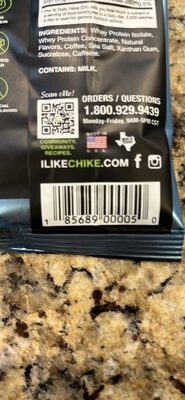 Chike Nutrition LLC
Chike, High Protein Original Iced Coffe
389kcal
55.6Protein
6.9Fat
25Carbs
Star Bottling INC
Pure Energy Drink
4kcal
0Protein
0Fat
0.8Carbs
Chike Nutrition LLC
Chike, High Protein Original Iced Coffe
389kcal
55.6Protein
6.9Fat
25Carbs
Star Bottling INC
Pure Energy Drink
4kcal
0Protein
0Fat
0.8Carbs
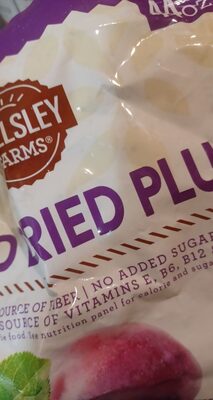 BJ's Wholesale Club / Corporate Brands
Pitted Dried Plums
250kcal
2.5Protein
0Fat
57.5Carbs
BJ's Wholesale Club / Corporate Brands
Pitted Dried Plums
250kcal
2.5Protein
0Fat
57.5Carbs