Baby Cob Corn
What is Baby Cob Corn?
Baby cob corn is young, immature corn on the cob, typically harvested when the kernels are still soft and tender. It is a variety of sweet corn that is smaller than mature corn on the cob. It is often canned or frozen for commercial use.
Is Baby Cob Corn vegan?
Baby Cob Corn is not animal-derived. Products that contain it can still include other animal-derived ingredients, so check the full ingredient list.
Is Baby Cob Corn gluten-free?
It does not contain gluten.
Is Baby Cob Corn a major allergen?
Baby cob corn is not derived from any of the 9 FDA major allergens.
What is Baby Cob Corn used for?
Baby cob corn is used as a vegetable in various dishes, adding a mild, sweet corn flavor and a tender texture.
Is Baby Cob Corn safe?
Baby cob corn is a source of dietary fiber and some vitamins and minerals.
Why it's used
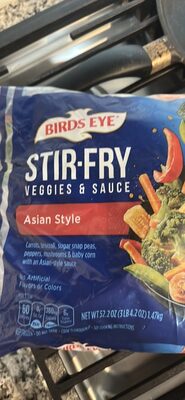
Baby cob corn is used as a vegetable in various dishes, adding a mild, sweet corn flavor and a tender texture. It is commonly found in stir-fries, salads, and as a side dish, particularly in Asian cuisine. Manufacturers use it for its visual appeal and taste.
Health notes
Baby cob corn is a source of dietary fiber and some vitamins and minerals. It is not an additive and does not have a regulatory status as such. It is generally considered safe to consume as part of a balanced diet. No specific health claims or concerns are associated with its consumption at typical intake levels.
Allergen info
Baby cob corn is not derived from any of the 9 FDA major allergens. It does not contain gluten.
Foods that contain Baby Cob Corn
Compare products →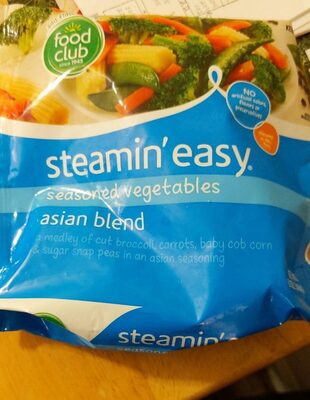
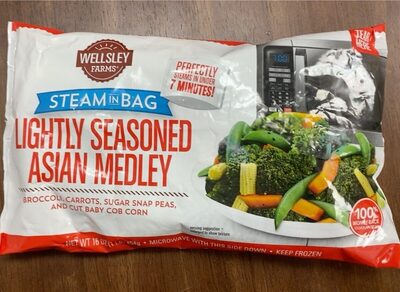
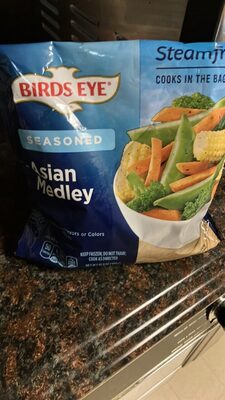
Auto-generated content. This description was generated automatically and is pending editorial review. Inaccuracies are possible. Found a mistake? Contact us.