Bee Pollen
What is Bee Pollen?
Bee pollen is a mixture of flower pollen, nectar, bee secretions, and enzymes. Bees collect pollen from flowers and mix it with nectar and their own enzymes before storing it in honeycombs. It is then harvested by beekeepers.
Is Bee Pollen vegan?
No. Bee Pollen is animal-derived, so it is not vegan.
Is Bee Pollen gluten-free?
It is derived from plants and processed by bees, and does not contain gluten.
Is Bee Pollen a major allergen?
Bee pollen is not one of the 9 FDA major allergens.
What is Bee Pollen used for?
Bee pollen is often used as a nutritional supplement and a natural sweetener.
Is Bee Pollen safe?
In the U.S., bee pollen is generally recognized as safe (GRAS) for use in food.
Why it's used
Bee pollen is often used as a nutritional supplement and a natural sweetener. It can add a floral flavor and a slightly crunchy texture to foods. It is commonly found in energy bars, granola, baked goods, and as a topping for yogurt or oatmeal.
Health notes
In the U.S., bee pollen is generally recognized as safe (GRAS) for use in food. Some studies suggest potential antioxidant and anti-inflammatory properties, but more research is needed. The WHO/IARC has not classified bee pollen. There are no widely established upper intake levels for bee pollen. Some individuals may experience allergic reactions, especially those with pollen or bee sting allergies.
Allergen info
Bee pollen is not one of the 9 FDA major allergens. It is derived from plants and processed by bees, and does not contain gluten.
Foods that contain Bee Pollen
Compare products →
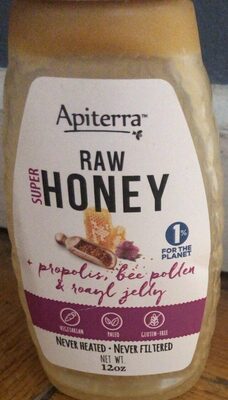
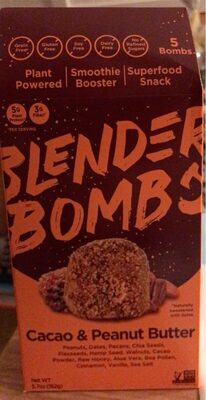
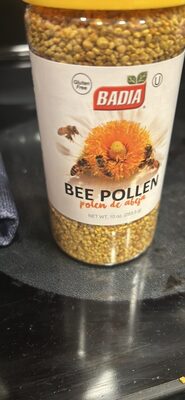
Auto-generated content. This description was generated automatically and is pending editorial review. Inaccuracies are possible. Found a mistake? Contact us.