Biscuit
What is Biscuit?
A biscuit is a small, usually round, baked good made from flour, fat, and liquid. It is typically leavened with baking powder or baking soda, giving it a light and flaky texture. Biscuits can be savory or slightly sweet and are a staple in many cuisines.
Is Biscuit gluten-free?
Gluten is present if wheat flour is used.
Is Biscuit a major allergen?
Biscuits often contain wheat, which is a major allergen.
What is Biscuit used for?
Biscuits are often served as a side dish, particularly with breakfast or Southern-style meals.
Is Biscuit safe?
Biscuits are primarily a source of carbohydrates and fats.
Why it's used
Biscuits are often served as a side dish, particularly with breakfast or Southern-style meals. They can also be used as a base for sandwiches or topped with gravy. Manufacturers use them as a baked component in various convenience foods.
Health notes
Biscuits are primarily a source of carbohydrates and fats. Their nutritional content varies widely based on ingredients like added sugars, fats, and flours. Regulatory bodies like the FDA do not specifically regulate biscuits as a food category but oversee the ingredients used in their production. Evidence regarding the health impact of consuming biscuits is generally tied to overall dietary patterns and the specific ingredients used.
Allergen info
Biscuits often contain wheat, which is a major allergen. Depending on the recipe, they may also contain milk or eggs, which are also major allergens. Gluten is present if wheat flour is used.
Foods that contain Biscuit
Compare products →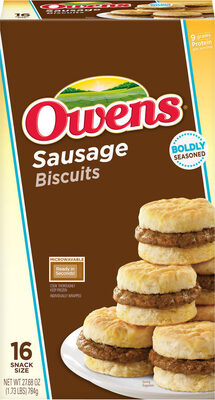
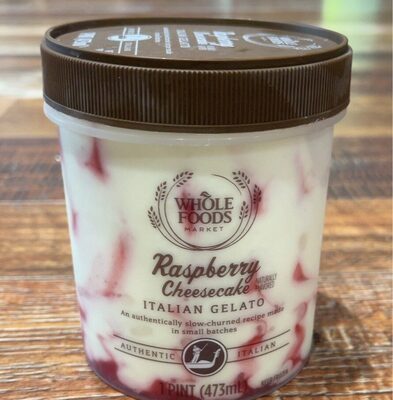
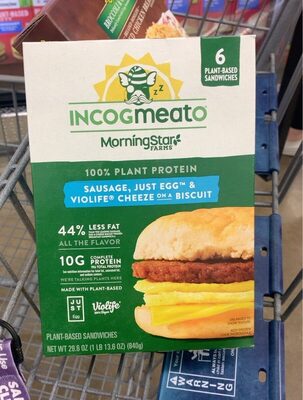
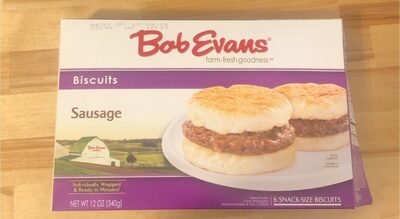
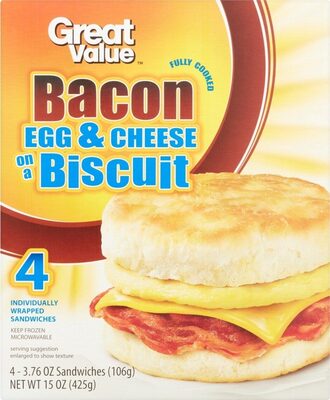
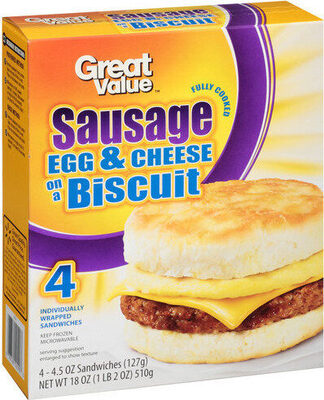
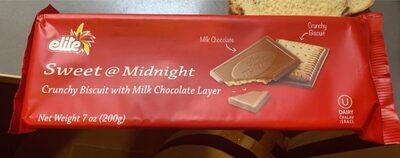
Learn more
Auto-generated content. This description was generated automatically and is pending editorial review. Inaccuracies are possible. Found a mistake? Contact us.