Black Turtle Beans
What is Black Turtle Beans?
Black turtle beans are a variety of the common bean (Phaseolus vulgaris). They are small, oval, and shiny black. They are grown worldwide and are a staple food in many cuisines, especially in Latin America.
Is Black Turtle Beans vegan?
Black Turtle Beans is not animal-derived. Products that contain it can still include other animal-derived ingredients, so check the full ingredient list.
Is Black Turtle Beans gluten-free?
They do not contain gluten.
Is Black Turtle Beans a major allergen?
Black turtle beans are not one of the nine major allergens recognized by the FDA.
What is Black Turtle Beans used for?
Black turtle beans are often used whole in soups, stews, and chili, or mashed and refried.
Is Black Turtle Beans safe?
Black turtle beans are a good source of fiber and protein.
Why it's used
Black turtle beans are often used whole in soups, stews, and chili, or mashed and refried. Their mild, earthy flavor and creamy texture make them versatile. They are commonly found in canned soups, frozen meals, and side dishes.
Health notes
Black turtle beans are a good source of fiber and protein. The FDA considers them Generally Recognized As Safe (GRAS) for food use. International bodies like EFSA have evaluated beans and found them to be safe and nutritious. While generally healthy, like all foods, they should be consumed as part of a balanced diet.
Allergen info
Black turtle beans are not one of the nine major allergens recognized by the FDA. They do not contain gluten.
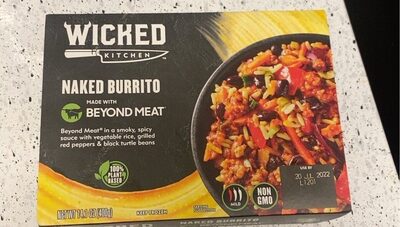
Foods that contain Black Turtle Beans
Compare products →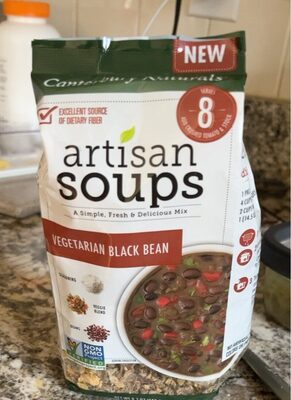
Learn more
Auto-generated content. This description was generated automatically and is pending editorial review. Inaccuracies are possible. Found a mistake? Contact us.