Blend Of Romano And Parmesan Cheeses
What is Blend Of Romano And Parmesan Cheeses?
A blend of Romano and Parmesan cheeses combines two hard, aged cheeses, typically made from cow's milk (Parmesan) and sheep's milk (Romano). These cheeses are produced by curdling milk, pressing the curds, and then allowing them to age for an extended period to develop their distinct flavors and textures.
Is Blend Of Romano And Parmesan Cheeses vegan?
No. Blend Of Romano And Parmesan Cheeses is animal-derived, so it is not vegan.
Is Blend Of Romano And Parmesan Cheeses a major allergen?
This ingredient is derived from milk, which is one of the nine major food allergens identified by the FDA.
What is Blend Of Romano And Parmesan Cheeses used for?
Manufacturers add this blend to foods primarily for its savory, salty flavor and firm texture.
Is Blend Of Romano And Parmesan Cheeses safe?
As a food ingredient, cheese is generally recognized as safe (GRAS) by the FDA.
Why it's used
Manufacturers add this blend to foods primarily for its savory, salty flavor and firm texture. It is commonly used as a topping or ingredient in a variety of dishes, including pizzas, pasta, and frozen appetizers.
Health notes
As a food ingredient, cheese is generally recognized as safe (GRAS) by the FDA. It provides protein, calcium, and fat, including saturated fat. The Dietary Guidelines for Americans recommend limiting saturated fat intake to less than 10% of daily calories. JECFA and EFSA do not typically evaluate common food ingredients like cheese blends as food additives.
Allergen info
This ingredient is derived from milk, which is one of the nine major food allergens identified by the FDA.
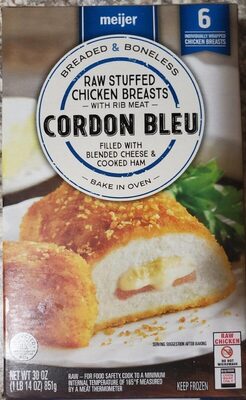
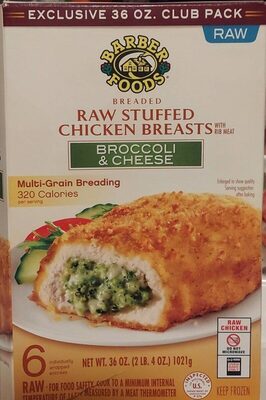
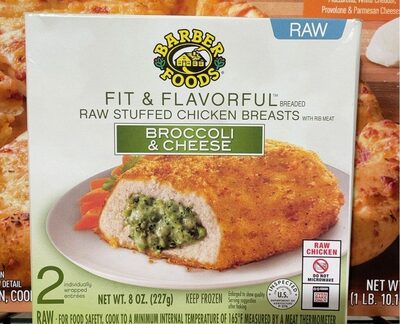
Foods that contain Blend Of Romano And Parmesan Cheeses
Compare products →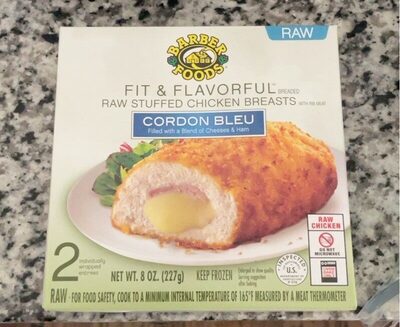
Learn more
Auto-generated content. This description was generated automatically and is pending editorial review. Inaccuracies are possible. Found a mistake? Contact us.