Brazil Nut
What is Brazil Nut?
Brazil nuts are large, nutrient-dense seeds from the Brazil nut tree (Bertholletia excelsa), native to South America. The nuts are harvested from the tree's fruit pods, shelled, and often sold whole or chopped. They are a good source of healthy fats, protein, and various vitamins and minerals.
Is Brazil Nut vegan?
Brazil Nut is not animal-derived. Products that contain it can still include other animal-derived ingredients, so check the full ingredient list.
Is Brazil Nut a major allergen?
Brazil nuts are a tree nut, which is one of the 9 major allergens recognized by the FDA.
What is Brazil Nut used for?
Brazil nuts are often consumed as a snack, either raw or roasted, and are frequently included in trail mixes, baked goods, and desserts.
Is Brazil Nut safe?
Brazil nuts are a natural source of selenium, a mineral essential for thyroid function and immune health.
Why it's used
Brazil nuts are often consumed as a snack, either raw or roasted, and are frequently included in trail mixes, baked goods, and desserts. Their rich, buttery flavor and satisfying crunch make them a popular addition to both sweet and savory dishes. They can also be ground into flour or butter for use in various recipes.
Health notes
Brazil nuts are a natural source of selenium, a mineral essential for thyroid function and immune health. The FDA recognizes selenium as important for human health. JECFA has evaluated Brazil nuts and noted their nutritional value. Due to their high selenium content, consuming a large number of Brazil nuts regularly can lead to excessive selenium intake. Evidence on the long-term health effects of typical consumption is generally positive, with studies suggesting potential benefits for heart health and antioxidant defense.
Allergen info
Brazil nuts are a tree nut, which is one of the 9 major allergens recognized by the FDA. People with tree nut allergies should avoid them.
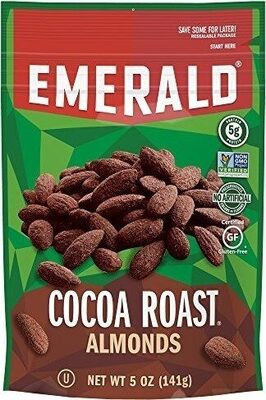
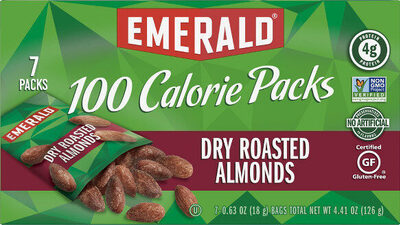
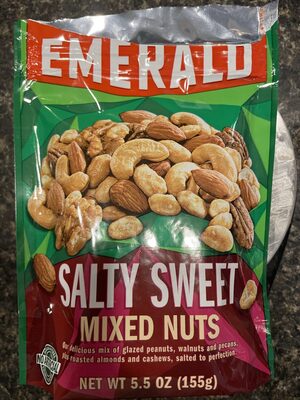
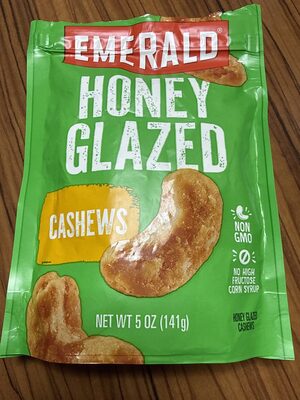
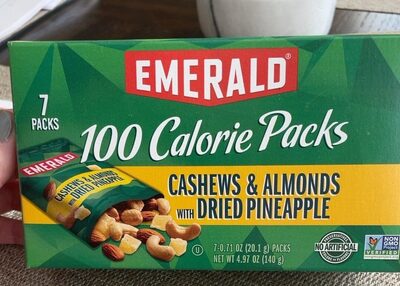
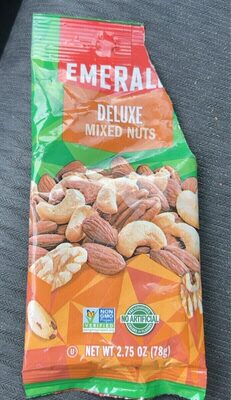
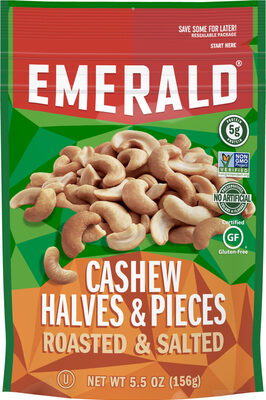
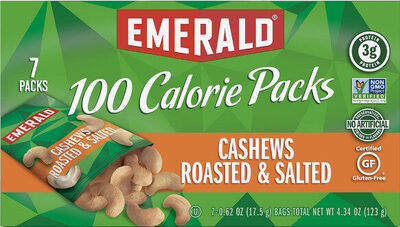
Foods that contain Brazil Nut
Compare products →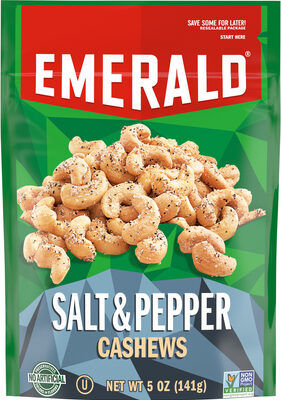
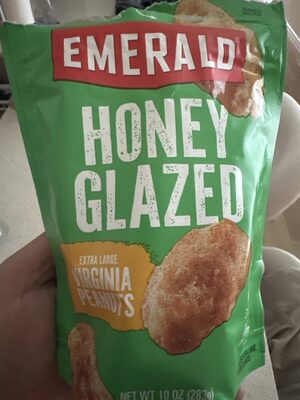
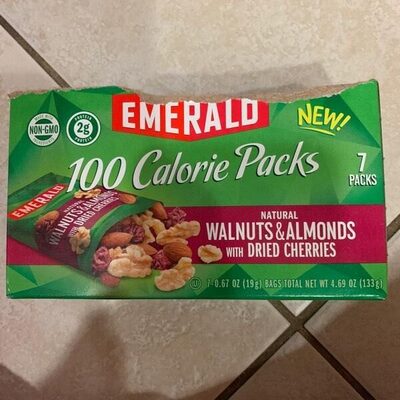
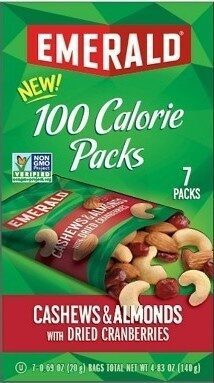

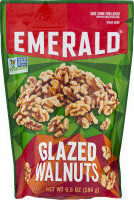
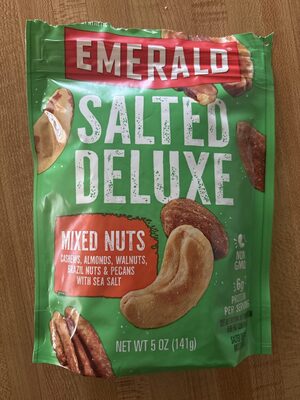
Learn more
Auto-generated content. This description was generated automatically and is pending editorial review. Inaccuracies are possible. Found a mistake? Contact us.