Bread: Enriched Wheat Flour
Auto-generated content. This description was generated automatically and is pending editorial review. Inaccuracies are possible. Found a mistake? Contact us.
What it is
Enriched wheat flour is made by milling wheat grains to remove the bran and germ, leaving the starchy endosperm. After milling, certain B vitamins (thiamin, riboflavin, niacin, folic acid) and iron are added back to the flour to replace nutrients lost during processing. This process is called enrichment.
Why it's used
It is widely used as a primary ingredient in many baked goods, providing structure and texture to products like bread, cakes, cookies, and pasta. Manufacturers use it as a base ingredient to create a wide variety of food products.
Health notes
Enriched wheat flour is a common food ingredient in the US, and its enrichment with specific nutrients is regulated by the FDA to address nutrient deficiencies. It provides carbohydrates for energy and is a source of added B vitamins and iron. For individuals with celiac disease or gluten sensitivity, consuming wheat flour can cause adverse reactions due to its gluten content.
Allergen info
Wheat is one of the nine major food allergens identified by the FDA. This ingredient contains gluten.
Products containing Bread: Enriched Wheat Flour
Compare products →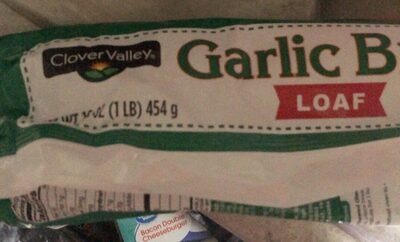 CLOVER VALLEY
Garlic Bread Loaf, Garlic
298kcal
7.0Protein
10.5Fat
43.9Carbs
NOT A BRANDED ITEM
Garlic, Natural Butter & Parsley Texas Toast Bread Slices, Garlic, Natural Butter & Parsley
375kcal
7.5Protein
22.5Fat
37.5Carbs
LIDL
Asiago, Mozzarella, Cheddar, Parmesan & Provolone Cheese Texas Toast, Asiago, Mozzarella, Cheddar, Parmesan & Provolone Cheeses
333kcal
8.3Protein
16.7Fat
37.5Carbs
CLOVER VALLEY
Garlic Bread Loaf, Garlic
298kcal
7.0Protein
10.5Fat
43.9Carbs
NOT A BRANDED ITEM
Garlic, Natural Butter & Parsley Texas Toast Bread Slices, Garlic, Natural Butter & Parsley
375kcal
7.5Protein
22.5Fat
37.5Carbs
LIDL
Asiago, Mozzarella, Cheddar, Parmesan & Provolone Cheese Texas Toast, Asiago, Mozzarella, Cheddar, Parmesan & Provolone Cheeses
333kcal
8.3Protein
16.7Fat
37.5Carbs