Butternut Squash
What is Butternut Squash?
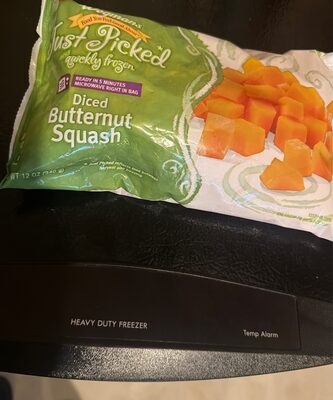
Butternut squash is a type of winter squash that grows on a vine. It has a hard, tan skin and bright orange flesh with a sweet, nutty flavor. After harvesting, it is typically cooked by roasting, steaming, or boiling.
Is Butternut Squash vegan?
Butternut Squash is not animal-derived. Products that contain it can still include other animal-derived ingredients, so check the full ingredient list.
Is Butternut Squash gluten-free?
It does not contain gluten.
Is Butternut Squash a major allergen?
Butternut squash is not one of the nine major allergens recognized by the FDA.
What is Butternut Squash used for?
Manufacturers use butternut squash for its natural sweetness and flavor.
Is Butternut Squash safe?
Butternut squash is a nutrient-dense vegetable, providing vitamins A and C, potassium, and fiber.
Why it's used
Manufacturers use butternut squash for its natural sweetness and flavor. It is often found in prepared foods like soups, side dishes, and vegetarian entrees. Its vibrant color also adds visual appeal to dishes.
Health notes
Butternut squash is a nutrient-dense vegetable, providing vitamins A and C, potassium, and fiber. The FDA considers it Generally Recognized As Safe (GRAS) when used as a food ingredient. International bodies like JECFA have evaluated squash and related foods. Evidence does not suggest adverse health effects from consuming butternut squash at typical dietary levels.
Allergen info
Butternut squash is not one of the nine major allergens recognized by the FDA. It does not contain gluten.
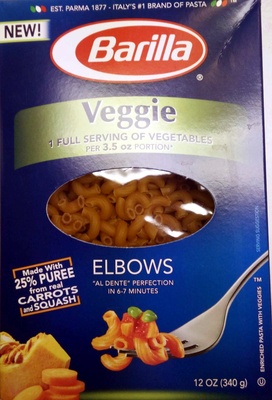
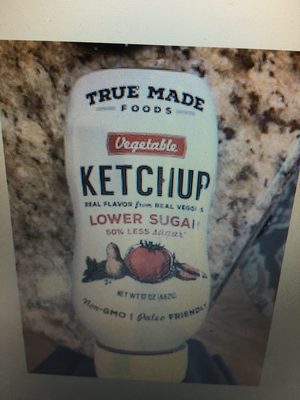
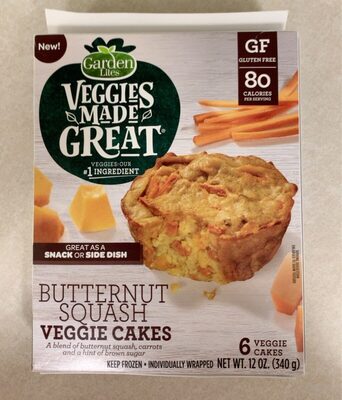
Foods that contain Butternut Squash
Compare products →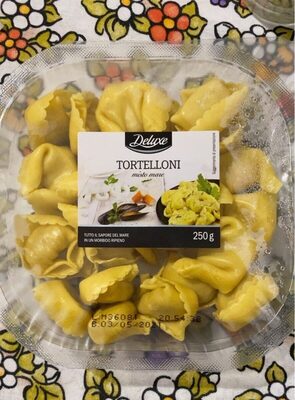
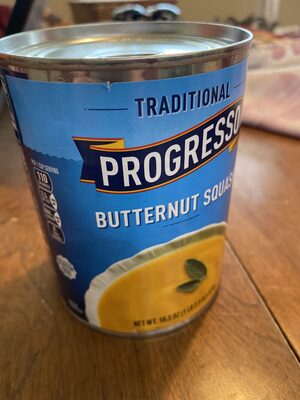
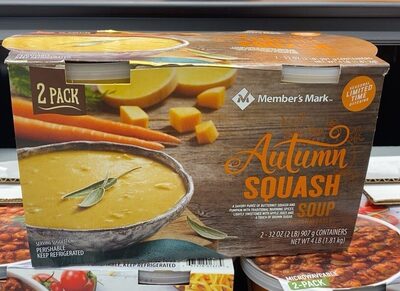
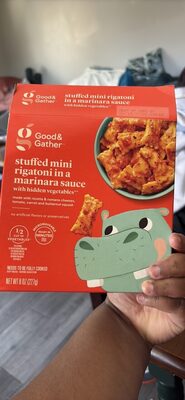
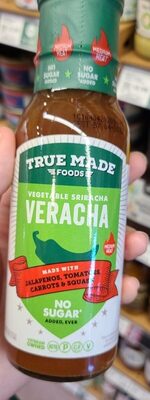
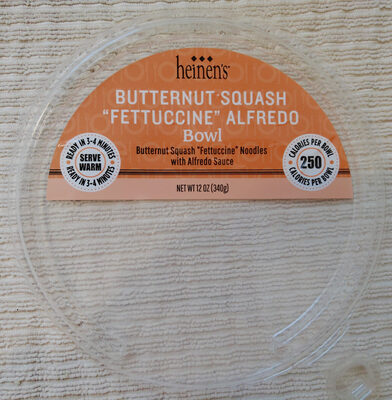
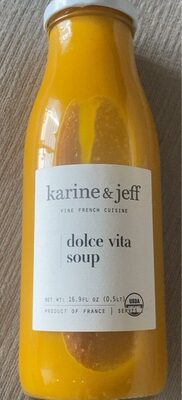
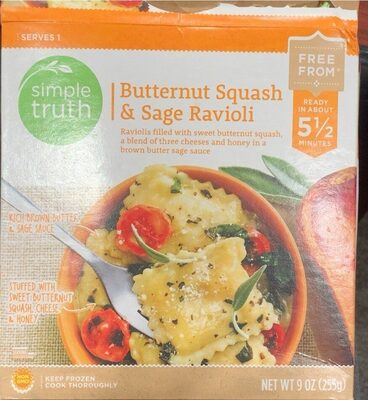

Auto-generated content. This description was generated automatically and is pending editorial review. Inaccuracies are possible. Found a mistake? Contact us.