Canola And Olive Oil
What is Canola And Olive Oil?
Canola oil is made from the seeds of the canola plant, a cultivar of rapeseed. Olive oil is pressed from the fruit of the olive tree. Both are common cooking oils used in food preparation.
Is Canola And Olive Oil vegan?
Canola And Olive Oil is not animal-derived. Products that contain it can still include other animal-derived ingredients, so check the full ingredient list.
Is Canola And Olive Oil gluten-free?
They do not contain gluten.
Is Canola And Olive Oil a major allergen?
Neither canola oil nor olive oil are derived from the major allergens recognized by the FDA.
What is Canola And Olive Oil used for?
These oils are used as a cooking medium, to add flavor, and to improve texture in a wide variety of foods.
Is Canola And Olive Oil safe?
Canola oil and olive oil are generally recognized as safe (GRAS) by the FDA for use in food.
Why it's used
These oils are used as a cooking medium, to add flavor, and to improve texture in a wide variety of foods. They are often found in salad dressings, sauces, baked goods, and processed foods.
Health notes
Canola oil and olive oil are generally recognized as safe (GRAS) by the FDA for use in food. They are sources of monounsaturated and polyunsaturated fats, which are considered healthy fats. The World Health Organization (WHO) and the International Agency for Research on Cancer (IARC) have not classified these oils as carcinogenic. Evidence suggests that moderate consumption of unsaturated fats, like those found in canola and olive oil, may be associated with a reduced risk of heart disease.
Allergen info
Neither canola oil nor olive oil are derived from the major allergens recognized by the FDA. They do not contain gluten.
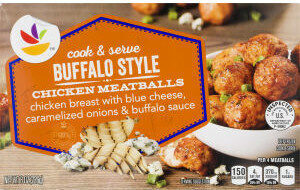
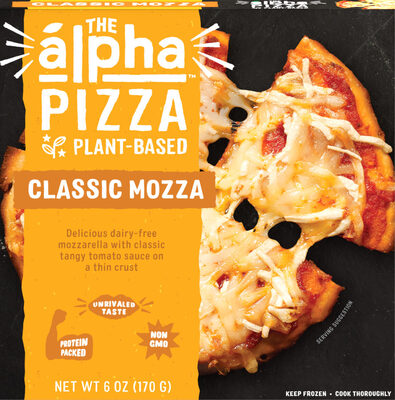
Foods that contain Canola And Olive Oil
Compare products →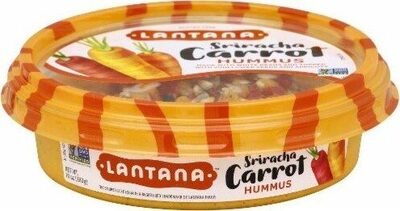
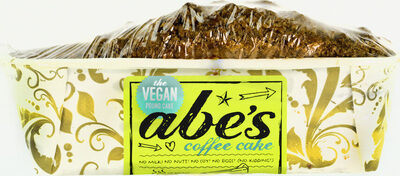
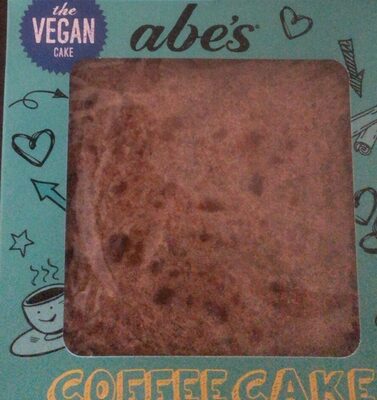
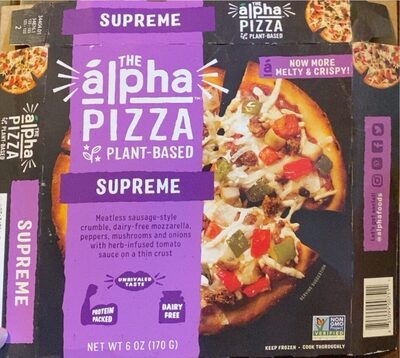
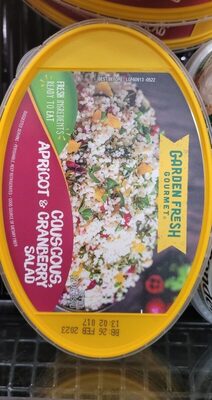
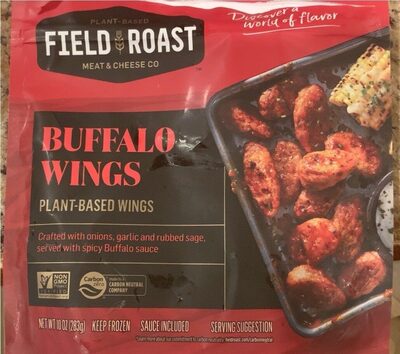
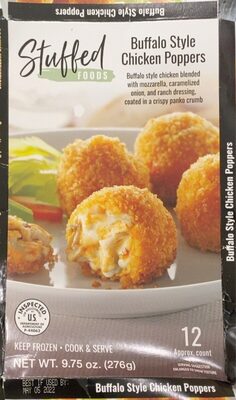

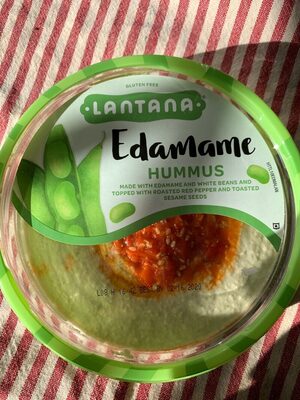
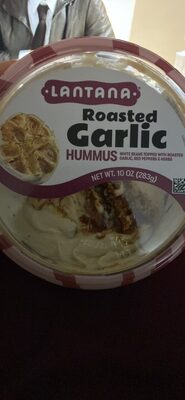
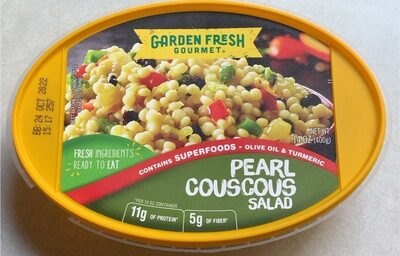
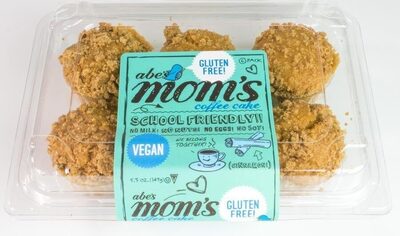 Abe'S Mom'S
Coffee Cake
High in added sugars — 36% DV per serving
436kcal
1.8Protein
20Fat
65.5Carbs
Learn more
Auto-generated content. This description was generated automatically and is pending editorial review. Inaccuracies are possible. Found a mistake? Contact us.