Caraway Seeds
What is Caraway Seeds?
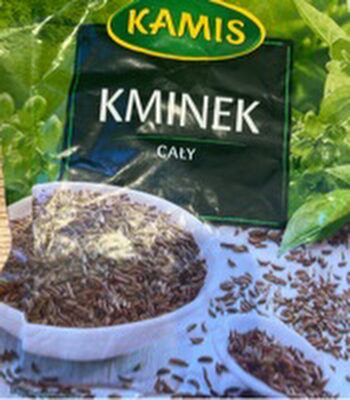
Caraway seeds are the dried fruit of the caraway plant (Carum carvi), a member of the parsley family. Native to Europe and Western Asia, the seeds have a distinctive aroma and a flavor often described as anise-like or slightly peppery. They are harvested from the plant and dried for use as a spice.
Is Caraway Seeds vegan?
Caraway Seeds is not animal-derived. Products that contain it can still include other animal-derived ingredients, so check the full ingredient list.
Is Caraway Seeds gluten-free?
They do not contain gluten.
Is Caraway Seeds a major allergen?
Caraway seeds are not one of the nine FDA major allergens.
What is Caraway Seeds used for?
Caraway seeds are primarily used as a flavoring agent in a variety of foods.
Is Caraway Seeds safe?
In the United States, caraway seeds are generally recognized as safe (GRAS) by the FDA when used as a spice or flavoring.
Why it's used
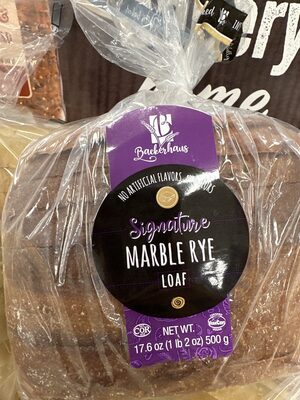
Caraway seeds are primarily used as a flavoring agent in a variety of foods. Their warm, slightly pungent taste makes them a popular addition to breads, especially rye and pumpernickel, as well as crackers, cheese, and sauerkraut. They can also be found in some spice blends and savory dishes.
Health notes
In the United States, caraway seeds are generally recognized as safe (GRAS) by the FDA when used as a spice or flavoring. Both the Joint FAO/WHO Expert Committee on Food Additives (JECFA) and the European Food Safety Authority (EFSA) have evaluated caraway and its extracts. While traditional medicine has used caraway for various ailments, scientific evidence for specific health benefits at typical dietary intake levels is limited. Research is ongoing, but no major controversies surround its use as a food ingredient.
Allergen info
Caraway seeds are not one of the nine FDA major allergens. They do not contain gluten.
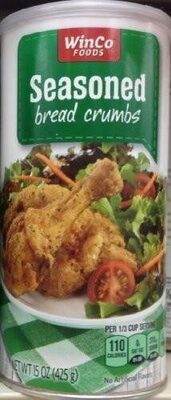
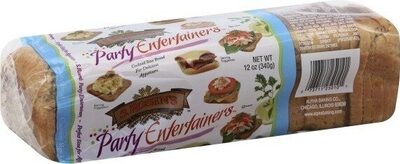
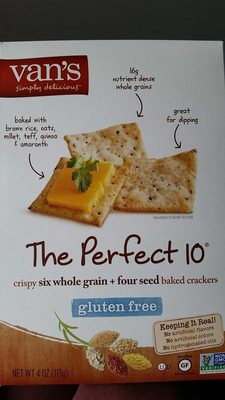
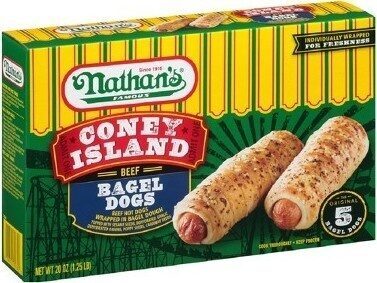
Foods that contain Caraway Seeds
Compare products →
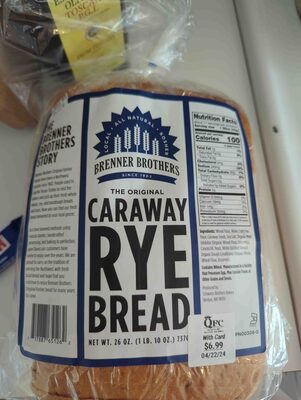
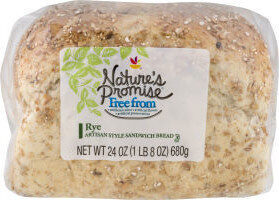 Nature'S Promise
Rye Artisan Style Sandwich Bread, Artisan Style
245kcal
8.2Protein
2.0Fat
49.0Carbs
Learn more
Auto-generated content. This description was generated automatically and is pending editorial review. Inaccuracies are possible. Found a mistake? Contact us.