Cassava Starch
What is Cassava Starch?
Cassava starch is a fine, white powder made from the cassava root, a starchy tuber native to South America. The root is washed, peeled, and then processed to extract the starch, which is then dried. It is a gluten-free carbohydrate source.
Is Cassava Starch vegan?
Cassava Starch is not animal-derived. Products that contain it can still include other animal-derived ingredients, so check the full ingredient list.
Is Cassava Starch gluten-free?
It is naturally gluten-free.
Is Cassava Starch a major allergen?
Cassava starch is not derived from any of the nine FDA major allergens.
What is Cassava Starch used for?
Cassava starch is used as a thickener and binder in many food products.
Is Cassava Starch safe?
Cassava starch is generally recognized as safe (GRAS) by the FDA for use in food.
Why it's used
Cassava starch is used as a thickener and binder in many food products. It can also provide a smooth texture and help improve the shelf life of baked goods. It is commonly found in gluten-free baked goods, sauces, gravies, and snacks.
Health notes
Cassava starch is generally recognized as safe (GRAS) by the FDA for use in food. It is a source of carbohydrates and provides energy. International bodies like JECFA have evaluated cassava starch, and EFSA has also reviewed its safety. At typical consumption levels, it is not associated with adverse health effects.
Allergen info
Cassava starch is not derived from any of the nine FDA major allergens. It is naturally gluten-free.
Foods that contain Cassava Starch
Compare products →
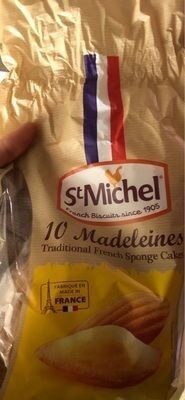 St Michel
Madeleines 10 Traditional French Sponge Cakes, Madeleines
476kcal
5.7Protein
27Fat
52Carbs

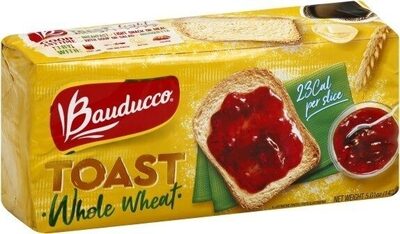
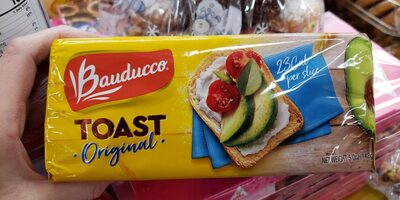
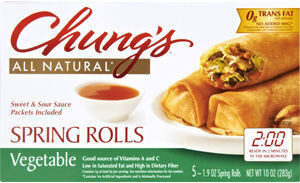
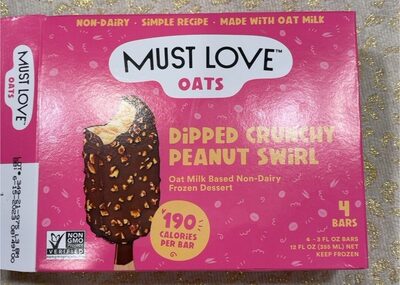
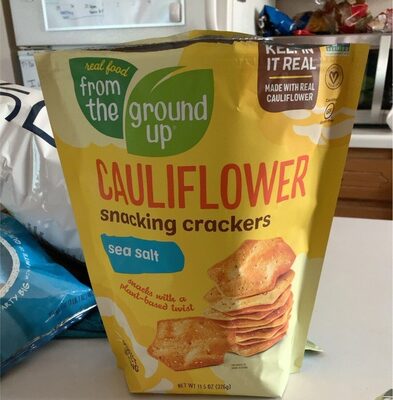

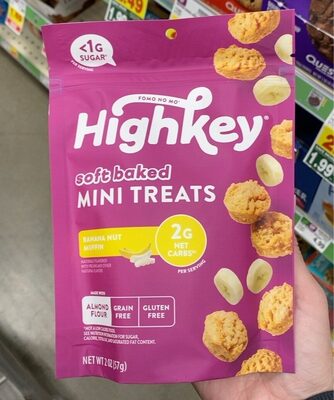
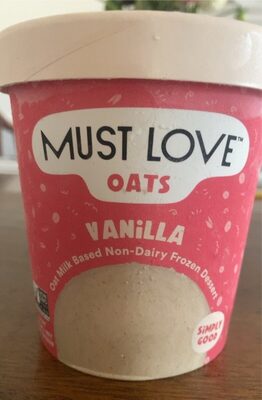
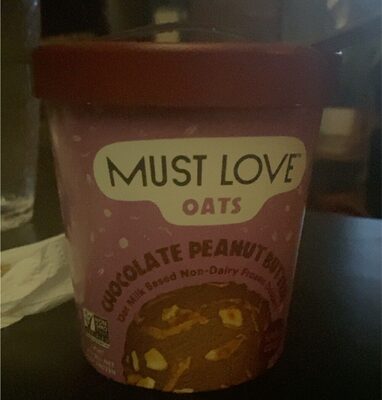

Learn more
Auto-generated content. This description was generated automatically and is pending editorial review. Inaccuracies are possible. Found a mistake? Contact us.